How Canada’s 2025–2028 Immigration Plan Impacts the Path from Temporary to Permanent Residency for Foreign Applicants
Introduction
Transitioning from temporary residency to permanent residency in Canada marks a pivotal milestone for immigrants striving to build a long-term future. Understanding this transformation is crucial, as it determines your rights, stability, and opportunities for years to come. For foreign applicants, grasping the intricacies of Canadian immigration policy isn’t just a formality; it’s a gateway to security and personal growth.
This pathway has evolved dramatically, with the Canadian government welcoming skilled workers, students, and families from all corners of the globe. Through targeted programs and flexible policies, the process is now more streamlined; yet requires strategic preparation. Exploring the differences and steps involved helps applicants clarify their goals, meet eligibility, and avoid pitfalls. In this article, we unlock the key stages and effects of this major immigration transition, offering practical insights to ensure your success.
1. What Is Temporary vs. Permanent Residency?
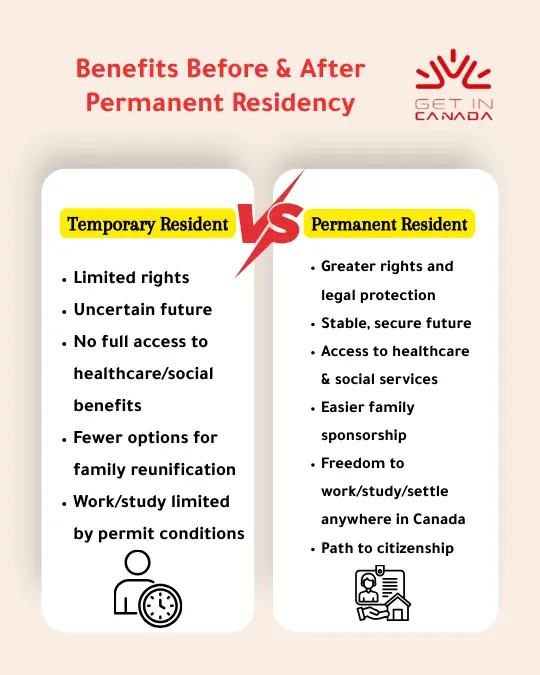
The distinction between temporary and permanent residency is fundamental for anyone planning to immigrate to Canada. Each status offers unique benefits, obligations, and limitations.
- Temporary residency: Granted by study or work permits; limited by terms and duration; provides short-term ability to live, study, or work in Canada.
- Permanent residency: Unlocks broad rights and benefits, including healthcare, social services, and the pathway to citizenship.
Book Your Consultation Session →
| Aspect | Temporary Residency | Permanent Residency |
|---|---|---|
| Duration | Limited & specific | Indefinite, renewable |
| Work Rights | Condition-based | Full work rights |
| Access to Benefits | Limited | Healthcare & social services |
| Pathway to Citizenship | No | Yes, after residency period |
2. How Does Transition Work for Applicants from Abroad?
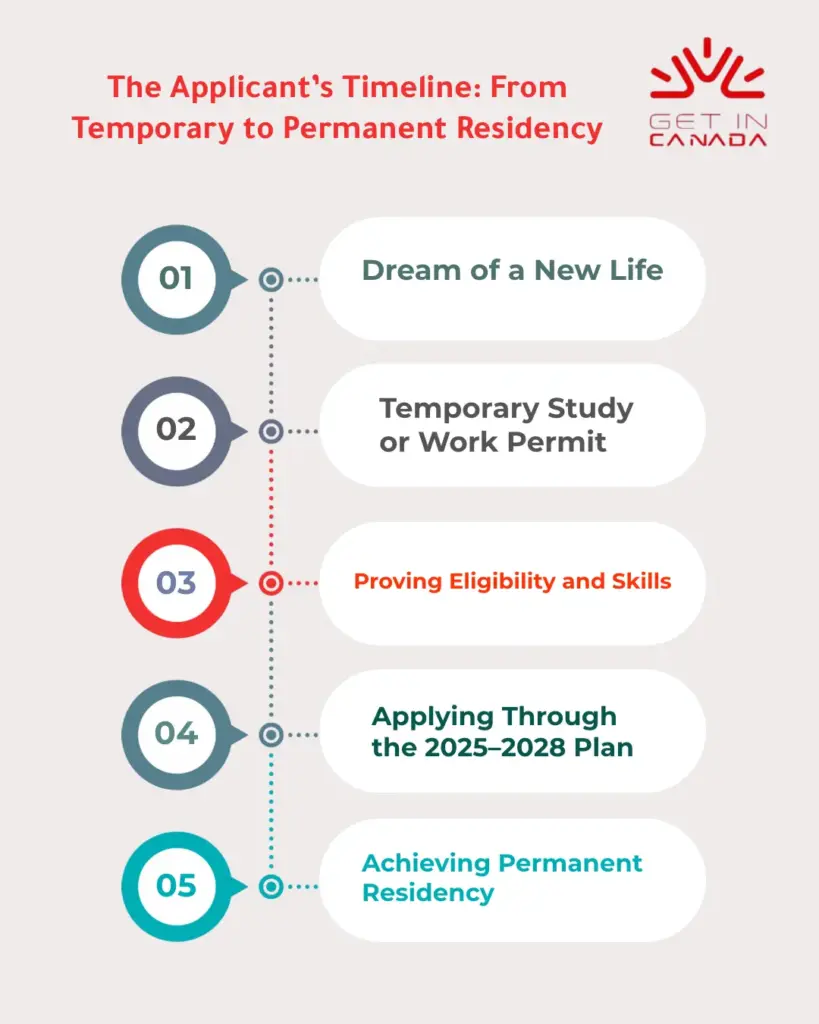
The transition from temporary to permanent residency is a transformative milestone for foreign applicants seeking a stable future in Canada. This journey is not just about changing legal status—it opens the door to greater opportunities, security, and long-term benefits. At the same time, applicants must face important challenges, from meeting eligibility criteria to navigating the complexities of Canadian immigration systems.
Canada offers several pathways:
- Express Entry: Targets skilled professionals with work experience and language proficiency.
- Provincial Nominee Programs (PNPs): For applicants who meet regional labor market needs.
- Family Sponsorship: Enables family unification.
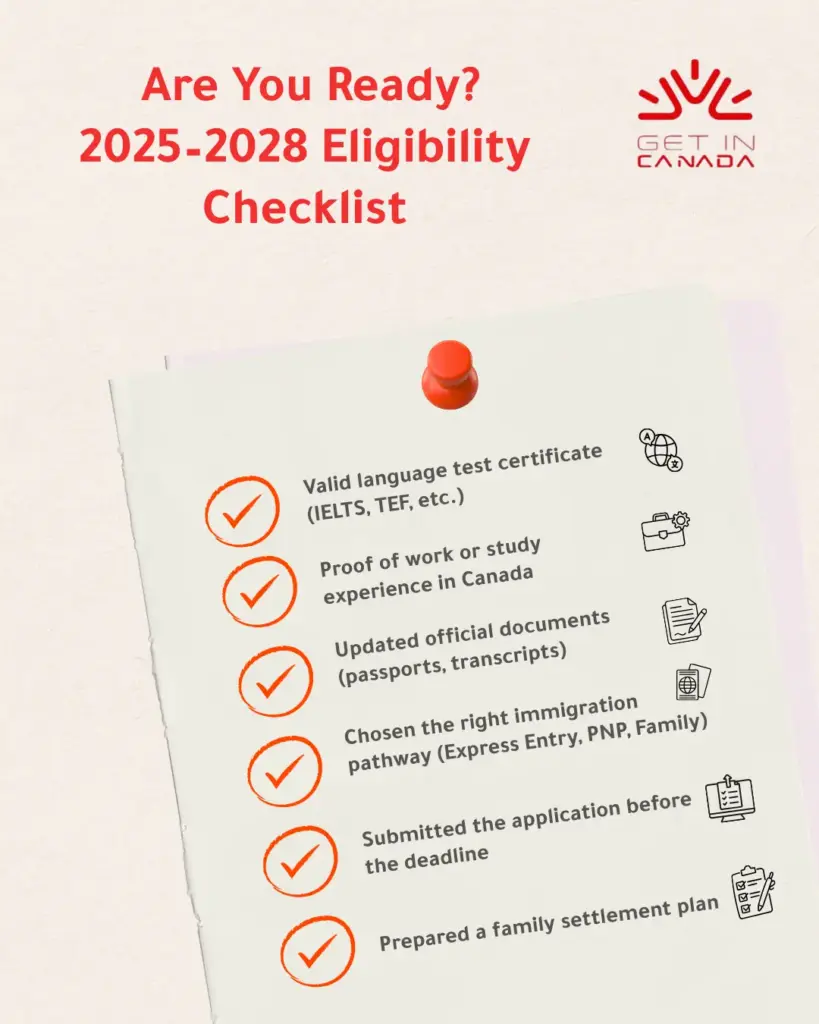
Eligibility depends on factors such as language test scores, Canadian study/work experience, and documentation. Application steps involve profile creation, submitting supporting documents, and meeting deadlines.
3. Impacts on Foreign Applicants
Transitioning to permanent residency marks a turning point in the lives of foreign applicants, bringing deeper security and optimism for the future. With permanent status, individuals gain not just stronger legal protection but a broader sense of belonging within Canadian society. However, the change also means new responsibilities and the need to adapt to new expectations, making the experience both rewarding and transformative.
How Does the Transition from Temporary to Permanent Residency Really Affect Foreign Applicants?
The move from temporary to permanent residency transforms the lives of foreign applicants in several real ways:
- Security and Stability: With permanent residency, immigrants no longer worry about visa renewals or possible removals. They gain a sense of belonging and confidence in planning their future.
- Access to Opportunities: Permanent residents qualify for government services, social benefits, and public healthcare, leading to improved well-being for themselves and their families.
- Career Growth: They can work freely for any employer in any occupation, opening up better career paths and entrepreneurship opportunities.
- Social and Community Integration: As permanent residents, immigrants are more likely to invest in their communities, form deeper relationships, and feel part of Canadian society.
- Mental Wellness: The constant anxiety and uncertainty tied to temporary status fades, replaced by greater peace of mind and motivation to succeed.
- Pathway to Citizenship: Permanent residency is the final step before Canadian citizenship—granting more rights, security, and pride.
The transition isn’t just a paperwork change; it’s a leap toward a better, fuller life in Canada.
Book Your Consultation Session →
4. Practical Tips for a Successful Transition
Transitioning can be complex, but good planning makes all the difference. Here are actionable steps to optimize your success:
- Keep all documents ready and valid.
- Prepare for, and achieve, the required language scores.
- Consult a professional immigration advisor.
- Track and respect application deadlines.
Checklist:
- Collect updated passport, work/study permits, proof of residence.
- Prepare certified translations if needed.
- Review pathways and choose the best fit.
- Double-check all entries before submitting.
- Plan for settlement and initial costs.
Conclusion
Navigating the path from temporary to permanent residency is one of the most significant moves for those seeking opportunity in Canada. The process involves strategy, patience, and expert guidance, with lasting impact on you and your family’s future. Take the time to learn, plan, and get assistance — professional support, like GetInCanada, elevates your chances while easing the process. Permanent residency grants not just security, but also access to a wealth of opportunities, making Canada truly feel like home. Let your immigration journey be informed, empowered, and successful.