Are You Eligible to Immigrate to Canada? 7 Questions to Determine Your Initial Chances
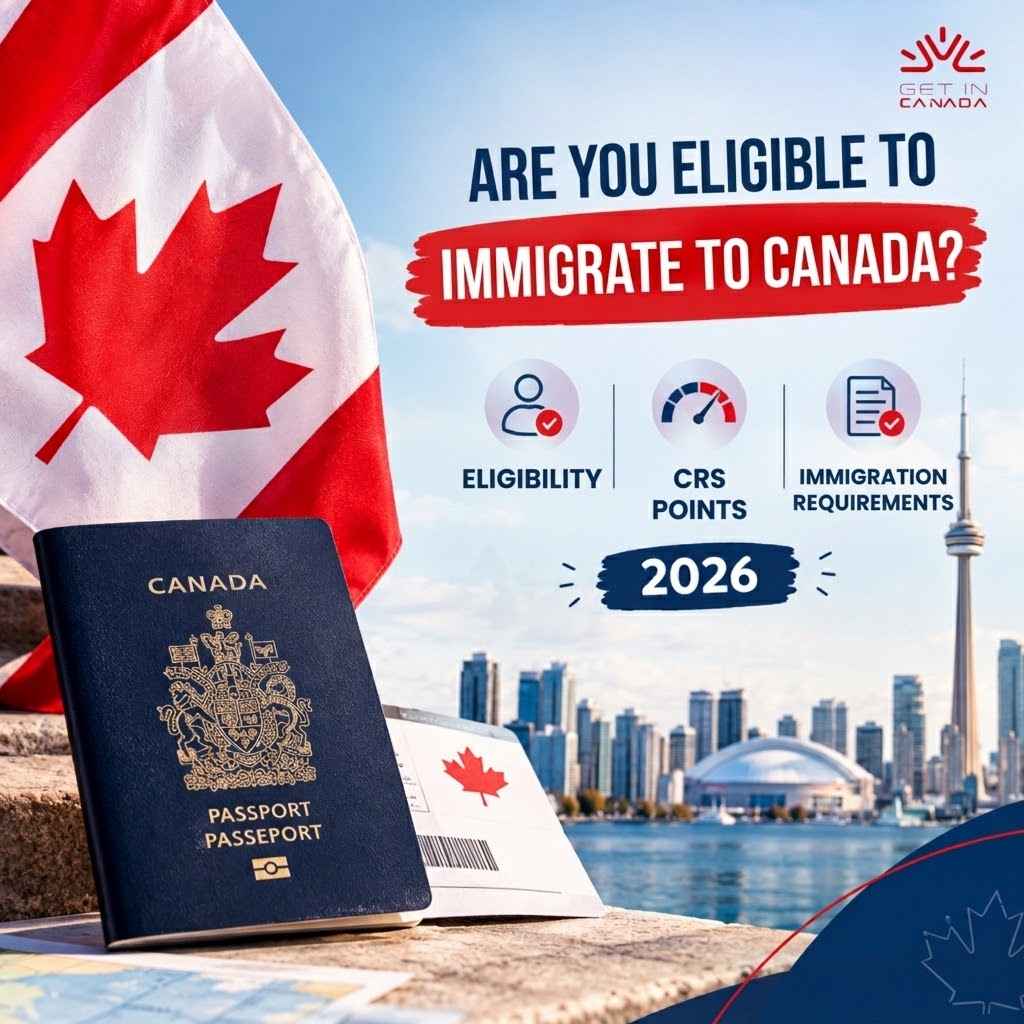
The Canadian dream inspires millions around the world. Living in a country with a stable economic environment and a world-class education and healthcare system is a goal well worth pursuing and planning for strategically. However, before you begin preparing official documents and applications, the first fundamental question everyone asks remains: Am I eligible to immigrate to Canada? To provide a clear answer, the Canadian government established transparent criteria based on the federal Express Entry Comprehensive Ranking System (CRS). In this guide, we will unpack the core dimensions of this assessment through seven pivotal questions that will help you conduct your own Canada immigration evaluation, identifying your strengths and initial chances of entering the strategic selection pool.
1. Why Do Immigration Requirements Vary from Person to Person?
There is no one-size-fits-all model in the Canadian federal system. Canada immigration requirements vary based on the specific program you choose and how well your personal profile aligns with the Express Entry system or Provincial Nominee Programs (PNP). The purpose of this variation is to meet Canada’s shifting labor market demands, prioritizing talent that can integrate and contribute to the economy swiftly.
This administrative process is managed through diverse programs, such as:
- Federal Skilled Worker Program (FSWP): Designed for individuals with professional work experience and foreign education outside Canada.
- Federal Skilled Trades Program (FSTP): Tailored specifically for technical and skilled trade occupations in high demand.
- Canadian Experience Class (CEC): Dedicated exclusively to those who already possess valid, prior skilled work experience within Canada.
- Provincial Nominee Programs (PNP): Focused on selecting specific professional profiles to fill immediate labor shortages in particular Canadian provinces and territories.
Book Your Consultation Session →
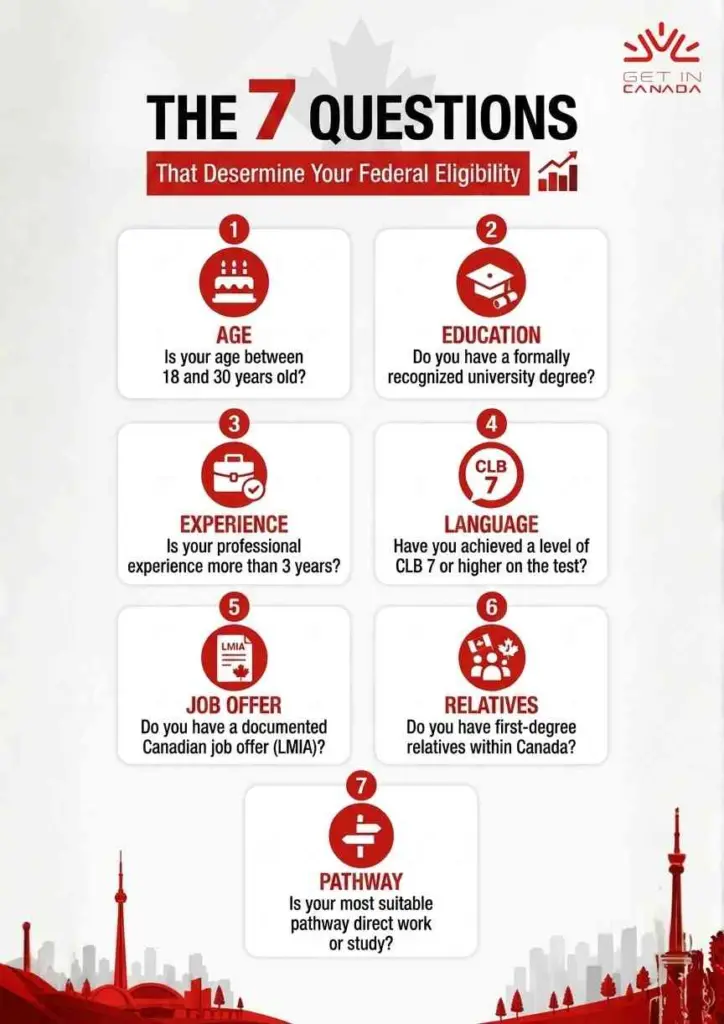
2. The Assessment: 7 Questions That Determine Your Federal Eligibility
The Canadian immigration framework relies on precise numerical calculations for your profile. Your answers to the following questions directly interact to determine your total points:
Question 1: What is your actual age, and how does it affect your points?
Age plays a critical role in calculating competitive points within the Comprehensive Ranking System, operating on a time-sensitive scale:
- The system awards the maximum possible points to applicants between the ages of 18 and 30.
- Once an applicant passes the age of 30, point allocations begin to decline gradually at a fixed annual rate.
- Submitting your profile at a younger age gives you a strategic edge, raising your rank among thousands of competing profiles in the federal selection pool.
Question 2: What is your educational level, and is your degree internationally credentialed?
The higher your verified academic degree, the more your cumulative ranking accelerates within the system:
- Points scale upward based on your highest qualification: Bachelor’s degree, Advanced Diploma, Master’s, or Ph.D.
- The system strictly requires these qualifications to undergo an Educational Credential Assessment (ECA) through designated international organizations like WES.
- This evaluation verifies that your foreign degrees are fully equivalent to Canadian educational standards.
Question 3: How many years of professional work experience do you have, and what is your job classification?
Possessing continuous, paid work experience is the core foundation for your profile’s acceptance within the economic streams:
- Your experience must be verified by official employment reference letters and match a specific National Occupational Classification (NOC) TEER category.
- The system awards escalating points based on the number of years, with experience of 3 years or more offering a significant competitive advantage.
- Extensive experience also qualifies you to benefit directly from targeted Category-based selection draws.
Question 4: What is your official language proficiency, and what is your actual score?
Language is the most dynamic and influential metric for boosting your points; it cannot be based on guesswork or self-assessment:
- The system requires passing recognized standardized tests, such as IELTS or CELPIP for English proficiency.
- You can also submit tests like TEF or TCF to prove French language proficiency, adding substantial bonus points to your file.
- Your scores are converted into the Canadian Language Benchmark (CLB) scale, where achieving advanced levels (such as CLB 7 or higher) opens immediate fast-track selection draws.
Book Your Consultation Session →
Question 5: Do you hold a valid, official job offer from within Canada?
While securing a prior employment contract is not a mandatory requirement to enter the pool, its procedural impact is an absolute game-changer:
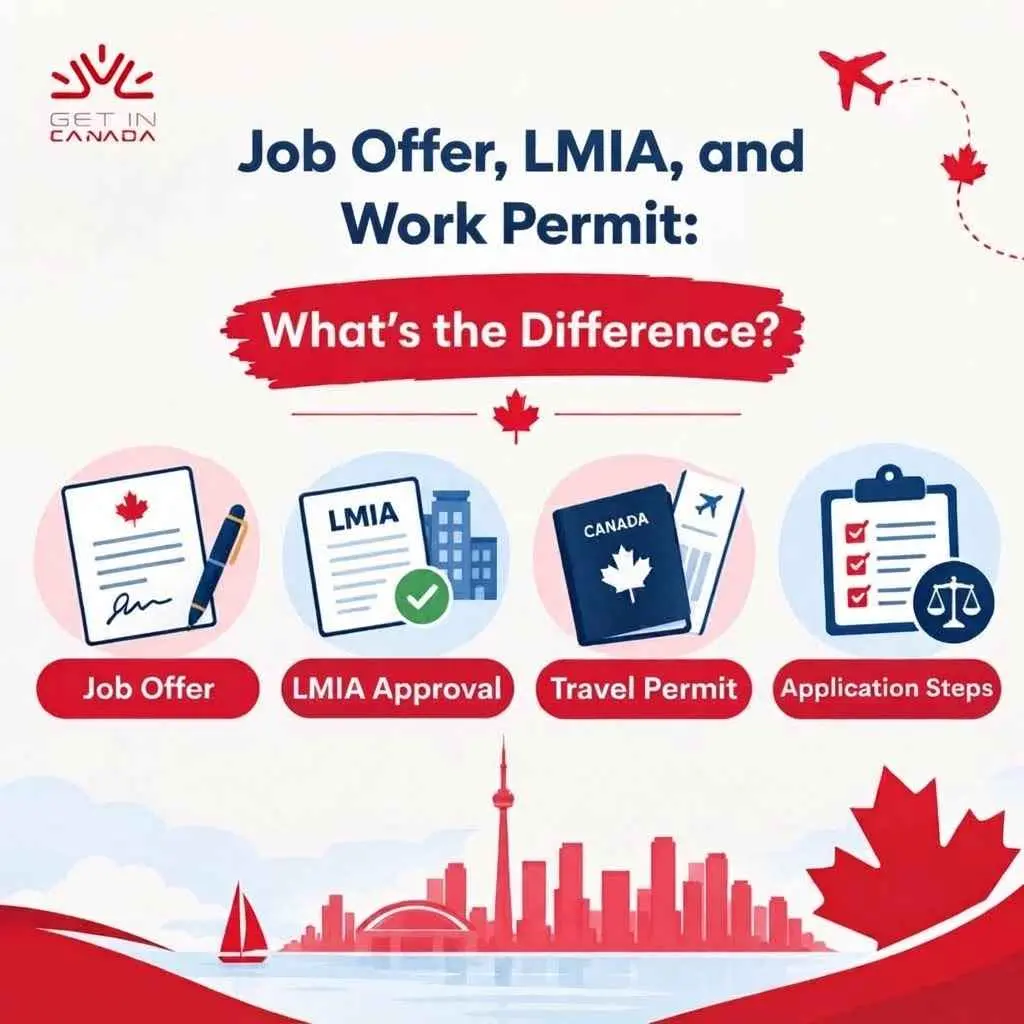
- The job offer must be genuine and backed by a positive Labour Market Impact Assessment (LMIA) from an approved Canadian employer.
- A verified contract instantly injects a massive boost ranging from 50 to 200 additional points into your CRS score.
- These extra points virtually guarantee your selection and the immediate issuance of an official Invitation to Apply (ITA) in the next draw.
Question 6: Do you have close relatives or strong family ties living there?
The Canadian system rewards applicants who have established family connections that can support their social integration:
- This category covers close relatives, specifically siblings, parents, or children.
- These relatives must currently reside in Canada as Canadian citizens or permanent residents.
- Having family in Canada grants your profile bonus points under the “Adaptability” factor, serving as an administrative guarantee of your ability to settle smoothly.
Question 7: What is your optimal strategic pathway… Studying or Working?
Applicants must map out their strategy and balance their options based on their budget and academic background:
- Direct Work Pathway: Relying completely on your current points and past foreign experience to apply directly for skilled worker programs.
- International Education Pathway: Investing in your future by enrolling in a Designated Learning Institution (DLI) in Canada.
- The study pathway grants you a Post-Graduation Work Permit (PGWP) upon graduation, significantly simplifying your transition to permanent residency via the Canadian Experience Class with minimal barriers.
Book Your Consultation Session →
3. Federal Points Calculation Summary
To help you visualize your competitive profile clearly, we have summarized the primary numerical evaluation pillars in the table below. This matrix outlines the categories that yield the highest point returns and demonstrates how each element influences your overall standing within the federal selection pool:
| Core Evaluation Metric | Peak Point-Generating Category | Impact on the Federal Profile |
|---|---|---|
| Age | Age group (18 – 30 years old) | Direct and highly powerful impact on your initial competitive points. |
| Education | Higher degrees with official ECA | Essential for elevating profile rank via Educational Credential Assessments. |
| Experience | 3+ years in demanded occupations | Proves your immediate capability to integrate economically under TEER codes. |
| Language | Advanced scores (CLB 7 or higher) | A vital, mandatory requirement; a federal profile cannot be built without it. |
| Job Offer / Relatives | LMIA-backed contracts or immediate family | Critical bonus points that drastically accelerate file selection. |
FAQs About 7 Questions to Determine Your Initial Chances
For more Canadian visa inquiries? Click here to start the process with our help →
How to Begin Your Journey Correctly?
Your dream of settling in Canada doesn’t rely on guesswork, but on a clear and calculated legal plan. Save yourself time and effort, and discover the optimal immigration program for your qualifications under this year’s updates; book your legal consultation now with the experts at Get In Canada, and begin your journey toward your new future with absolute confidence and a flawless file! 🇨🇦 Your first step starts here.