Does This Temporary Policy Qualify You for the Post-Graduation Work Permit (PGWP)?
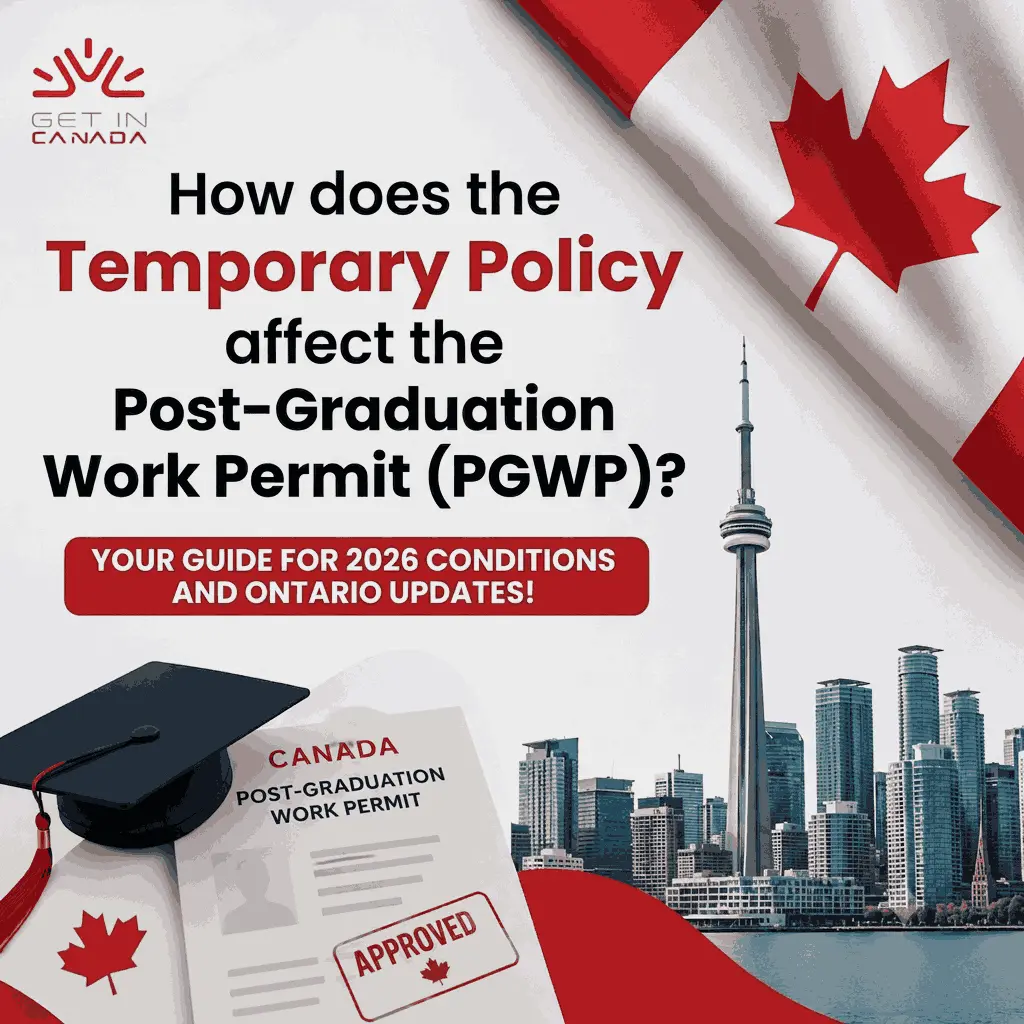
Studying in Canada and planning to work after graduation are among the most crucial steps international students take to shape their professional future and secure permanent residency. With Immigration, Refugees and Citizenship Canada (IRCC) introducing temporary policies and regulatory updates for 2026, a vital question arises among students: Does staying under the umbrella of these temporary measures guarantee obtaining a Post-Graduation Work Permit (PGWP)? In this simple guide, we clarify the precise legal conditions in a straightforward manner and link them to the latest changes in Ontario’s provincial immigration program.
1. Does This Temporary Policy Qualify You for the Post-Graduation Work Permit (PGWP)?
IRCC maintains specific guidelines for temporary policies to ensure work permits are directly tied to academic disciplines that the labor market genuinely needs. The key conditions and requirements you should know include:
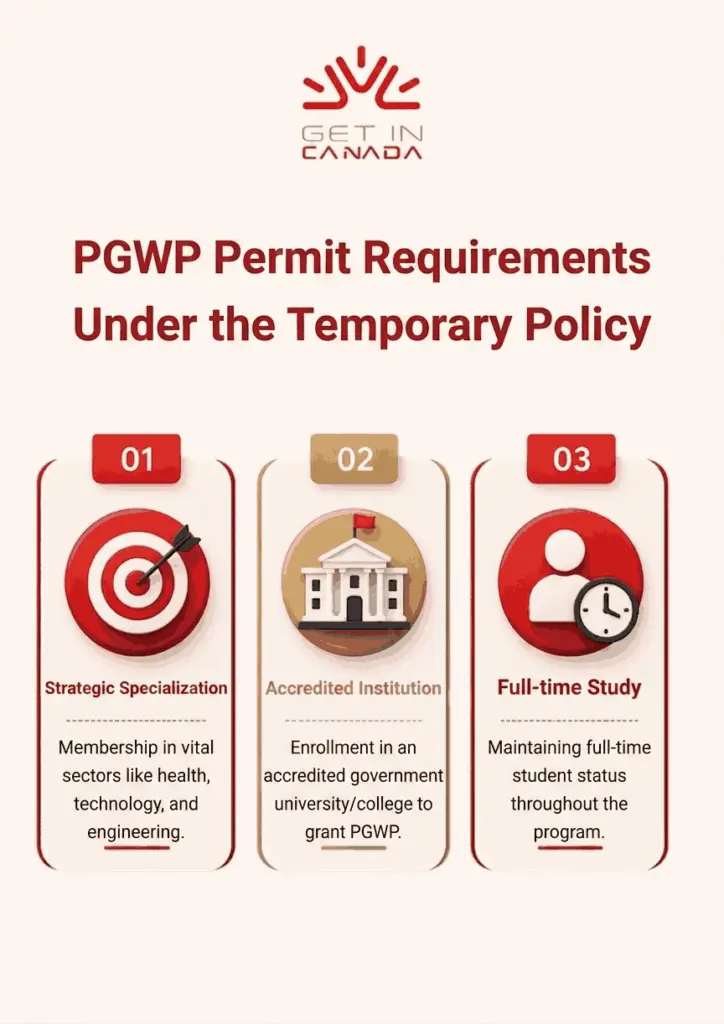
- Approved Strategic Specializations: Recent updates mandate that benefiting from temporary facilitates or qualifying for a PGWP is tied to enrollment in study programs serving critical sectors (such as healthcare, technology, engineering, and skilled trades).
- Studying at Designated Learning Institutions (DLIs): You must study at accredited public colleges or universities officially listed among institutions that grant PGWP eligibility, as certain private programs are excluded from these policies.
- Maintaining Full-Time Student Status: You must maintain continuous full-time student status throughout your scheduled study period, as unexcused breaks or part-time study may forfeit your right to benefit from the temporary policy and the PGWP.
Book Your Consultation Session →
2. Ontario Immigrant Nominee Program (OINP) Updates 2026
The province of Ontario (OINP) continues to adjust its immigration pathways to align with federal decisions and leverage international graduates already within the province. The new updates for 2026 aim to enhance opportunities for graduates through the following frameworks:
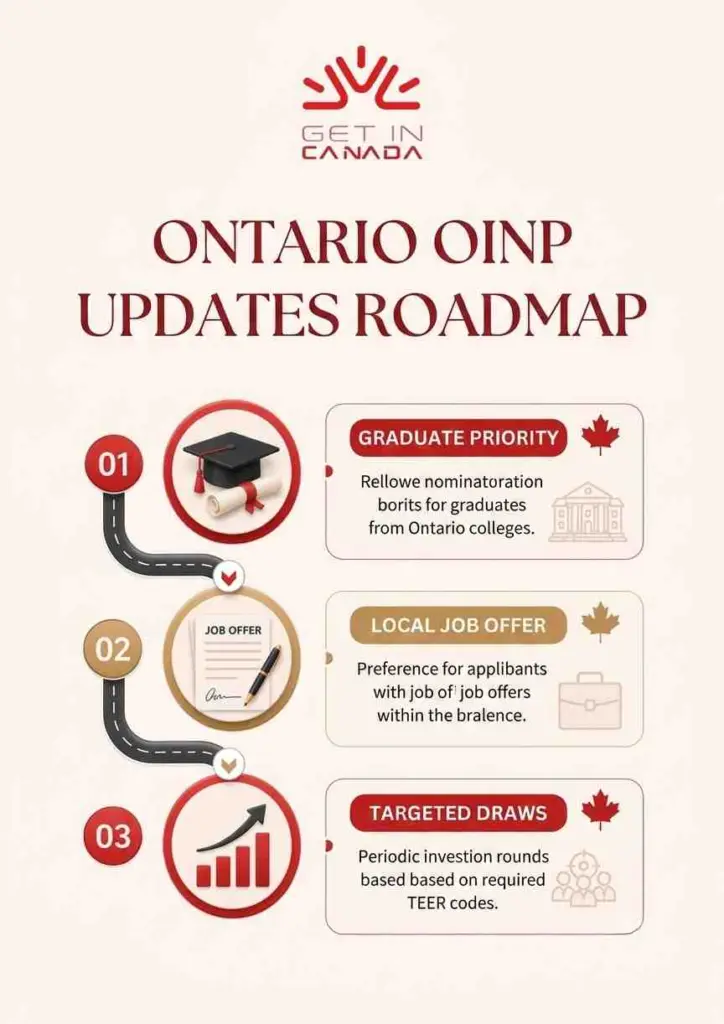
- Priority for the International Student Stream: Awarding higher nomination scores to graduates who completed their studies at Ontario universities and colleges in approved technical and medical fields.
- Linking Nomination to Local Job Opportunities: Prioritizing students who possess initial job offers or training experience within the province that aligns with their field of study.
- Targeted Category Draws: Conducting regular draw rounds based on National Occupational Classification (TEER) codes, boosting Ontario graduates’ chances of securing permanent residency smoothly and quickly.
Read more about:
What Are the Most Important Canada Immigration Changes in June 2026?
Key Updates for Immigration Applicants, Work Permit Holders, and Sponsors Before June 2026 Deadlines
Canada Immigration Changes in June 2026: IRCC Updates, PNPs, and Work Permits
3. Proactive Steps to Secure Your Right to a PGWP and Permanent Residency
To ensure you stay on the right path and maximize every opportunity offered by temporary policies and provincial streams, we recommend taking these proactive steps:
- Carefully review your study program before enrolling to ensure it complies with the 2026 temporary policy and PGWP requirements.
- Keep all registration documents, academic transcripts, and proof of full-time enrollment to streamline your PGWP application immediately upon graduation.
- Regularly follow Ontario Immigrant Nominee Program (OINP) updates to take advantage of nomination opportunities as soon as you meet the criteria.
FAQs
Book Your Consultation Session →
Your Gateway to the Future: How the Experts at Get In Canada Shorten Your Path to Residency
Navigating temporary educational policies and aligning your steps between PGWP requirements and Ontario program criteria requires precision and sound legal planning to ensure your time and effort are invested in the safest pathway. At Get In Canada, we are delighted to be your trusted partner, working with you to review your study options and verify your program’s compliance with the latest 2026 standards so you reach permanent residency smoothly and securely. Book your personal consultation session with us today, and let us pave your way to Canadian success with complete confidence! 🇨🇦