How to Find a Job in Canada from Abroad: A Practical Guide
Can you land a Canadian job offer while living thousands of miles away? The short answer is yes. Canadian businesses actively recruit international talent to bridge labor shortages across key industries. However, sending generic resumes to local job postings will only lead to frustration.
Securing a job in Canada from outside the country requires a deliberate strategy: formatting your profile to Canadian workplace standards, targeting employers authorized to hire internationally, and knowing how to navigate work authorizations. This guide provides a direct, step-by-step roadmap to land a legitimate Canadian job from your home country.
1. Can You Apply for Canadian Jobs from Outside Canada?
Yes, foreign nationals can apply for Canadian employment opportunities from overseas. Canadian labor and immigration laws permit businesses to hire global candidates when local candidates are unavailable.
- Full Legal Framework: International job seekers are fully permitted to apply online to Canadian firms without holding a work permit upfront.
- Employer Preparedness: The hiring organization must be willing to sponsor the role and complete the necessary federal labor market filings.
- High-Demand Sectors: Roles in healthcare, engineering, information technology, construction trades, and agriculture offer the highest probability of international recruitment.
- Scam Avoidance: Applying directly through verifiable portals ensures you bypass fraudulent recruitment agents asking for unlawful fees.
Book Your Consultation Session →
2. What Do You Need to Prepare Before You Start?
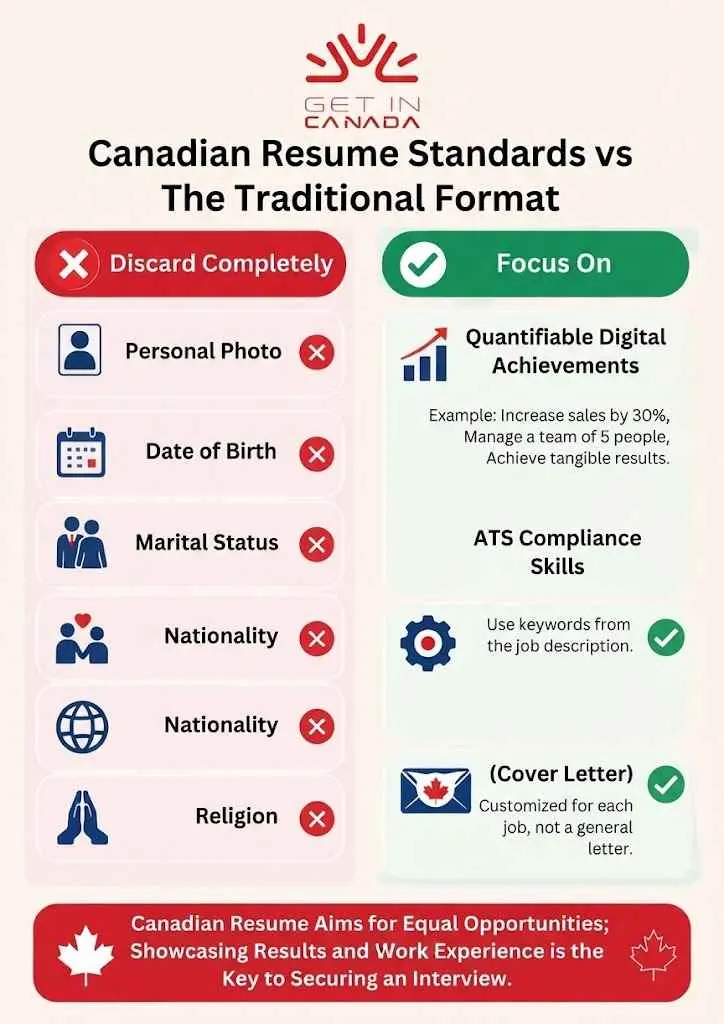
Submitting applications without adapting your professional profile to the Canadian market leads to automatic rejection by Applicant Tracking Systems (ATS). You must assemble a competitive, compliant job-search toolkit before applying.
- Canadian-Style Resume: A clean, chronologically structured document focusing on quantified achievements. Never include a photo, age, marital status, or nationality.
- Targeted Cover Letter: A concise one-page letter articulating how your background matches the employer’s operational requirements.
- Optimized LinkedIn Profile: A professional headline featuring industry keywords, a clear summary, and links to verified portfolios or credentials.
- Language Proficiency Benchmarks: A strong command of English (IELTS/CELPIP) or French (TEF/TCF) to pass technical screening interviews.
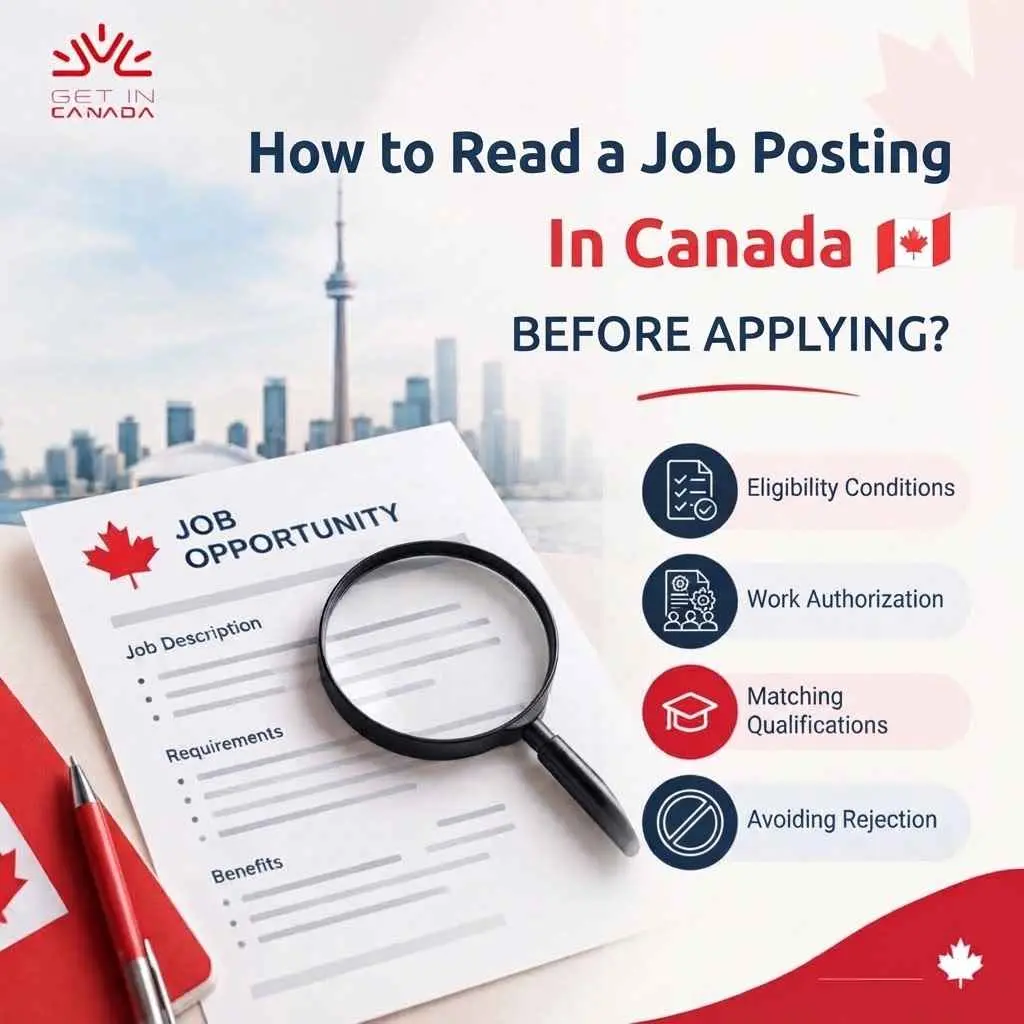
3. How to Identify Jobs Matching Your Skills and Experience?
The Canadian labor ecosystem classifies every profession under the National Occupational Classification (NOC) and Training, Education, Experience and Responsibilities (TEER) matrix. Identifying your exact occupational code is essential for verifying your professional eligibility.
- Find Your NOC/TEER Code: Compare your day-to-day job duties with the official government occupational profiles to confirm the correct title.
- Review Minimum Requirements: Confirm that your degree, certifications, and years of experience meet the baseline Canadian employment standards.
- Regulated vs. Non-Regulated Professions: Regulated fields (such as nursing, medicine, and engineering) require provincial licensing before you can practice.
- Unregulated Occupations: Roles in software development, project management, and sales do not require regulatory licenses, making overseas hiring significantly faster.
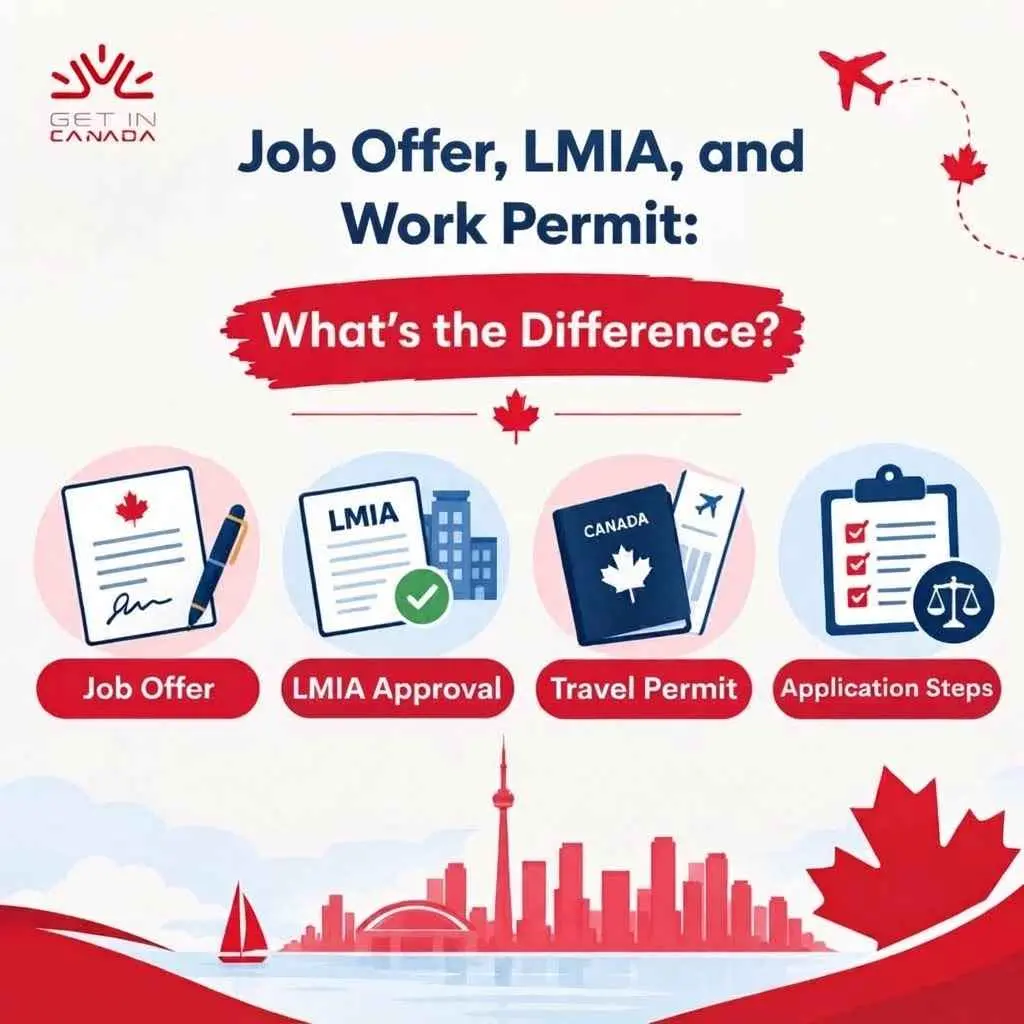
4. The Complete Hiring Journey: From Application to Work Permit
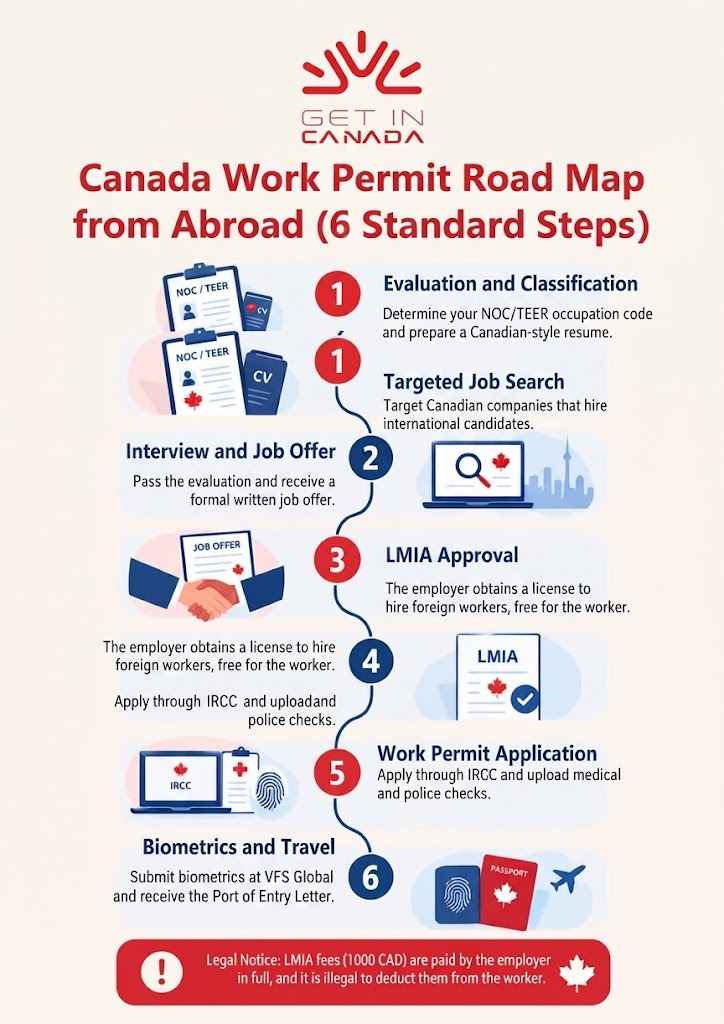
Transitioning from an applicant abroad to an active worker in Canada is a structured sequential process. Knowing each phase eliminates surprises and keeps your timeline on schedule.
- Stage 1 (Interviews & Job Offer): Clear technical interviews and receive a formal, written employment contract detailing compensation and responsibilities.
- Stage 2 (Labor Market Audit – LMIA): The employer files for an ESDC Labour Market Impact Assessment to prove a genuine domestic talent shortage.
- Stage 3 (Work Permit Application): Submit an application to IRCC with your approved LMIA, employment letter, and background records.
- Stage 4 (Biometrics, Medical & Landing): Complete biometrics and medical exams; once IRCC approves the visa, travel to Canada to receive your work permit at the port of entry.
Book Your Consultation Session →
5. Landing a Job from Abroad
Conducting a job search in Canada from outside the country is a long-term project requiring consistency and patience. Understanding market realities helps you maintain focus and calibrate your approach.
- High Competitive Intensity: You are competing against domestic candidates, onshore temporary workers, and international applicants.
- Extended Timelines: From first submission to landing in Canada, the end-to-end recruitment and visa process typically takes 6 to 12 months.
- Cost Boundaries: Employers are legally required to fund LMIA filings, while applicants pay for personal visa fees, biometrics, and medicals.
- Quality Over Volume: Sending 10 carefully tailored, highly relevant applications yields better interview rates than distributing 100 generic submissions.
6. Where to Find Jobs Accepting International Applicants?
Not all job boards welcome offshore candidates; many local platforms immediately filter out international IP addresses or non-resident applicants. Focus your efforts where global hiring is explicitly supported.
- Job Bank Canada (Official Government Portal): The primary federal job portal with built-in screening for international candidates.
- LinkedIn Jobs: Filter for roles using precise search strings like “LMIA available” or “visa sponsorship” and connect directly with hiring managers.
- Indeed Canada: Search for vacancies that explicitly state readiness to support work authorization for top-tier international applicants.
- Destination Canada & Global Fairs: Government-backed virtual and in-person recruitment events aimed at attracting specialized global professionals.
7. How to Use the Job Bank Overseas Candidates Portal
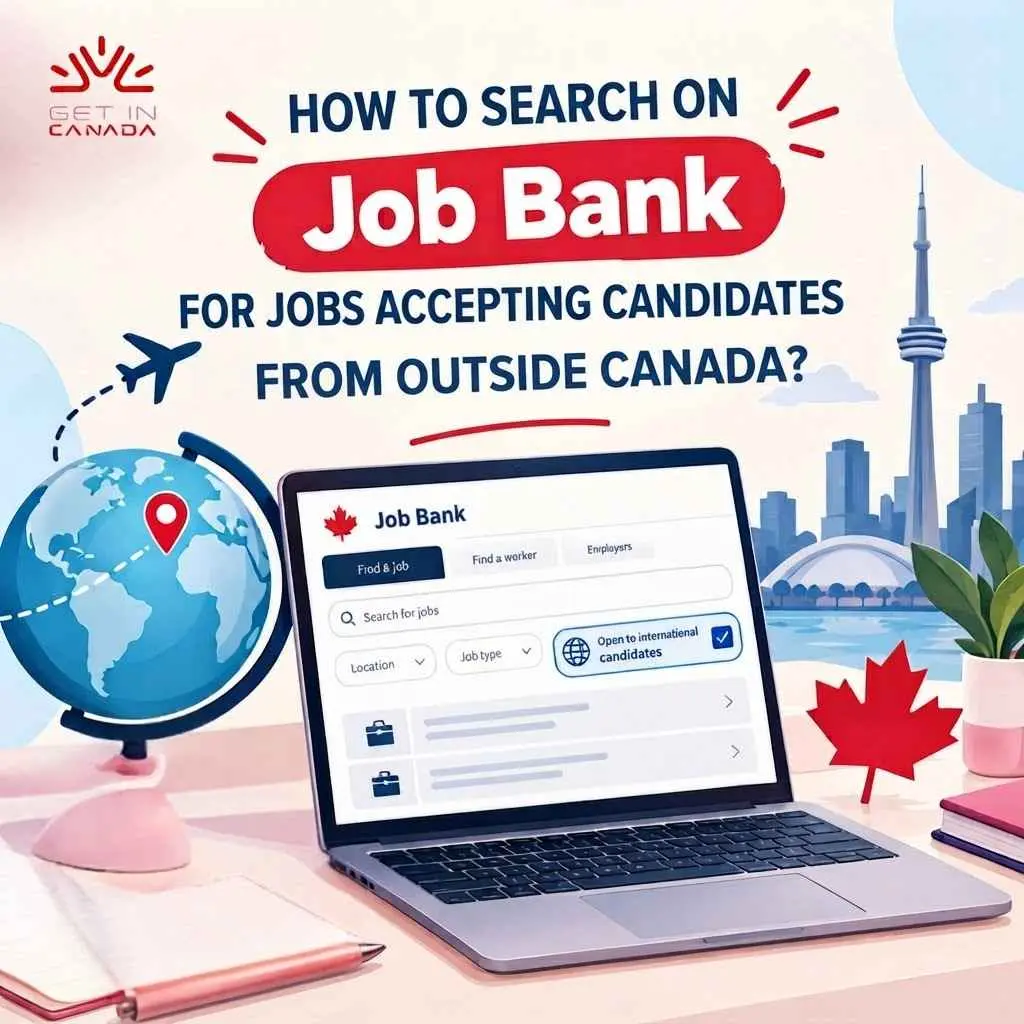
The official Government of Canada Job Bank provides specialized filters designed to highlight companies authorized to recruit international candidates. Using these tools prevents wasted effort on postings restricted to domestic workers.
- Filter by International Candidates: Choose the “Candidates outside Canada” filter to instantly eliminate domestic-only vacancies.
- The Globe Icon: Prioritize postings marked with a globe badge, which indicates the employer is officially open to overseas applications.
- Create a Job Match Account: Build a candidate profile on Job Bank to automatically match your skills with receptive Canadian employers.
- Job Alerts: Configure automated email alerts for your targeted NOC codes to apply within hours of an opening going live.
8. How to Verify an Ad Accepts Candidates from Your Country
Before investing time in a customized application, always review the “Who can apply to this job” section at the bottom of the Job Bank posting. This disclosure determines applicant eligibility.
- Eligible Status: The listing displays: “Other candidates with or without a valid Canadian work permit.”
- Ineligible Status: The listing displays: “Canadian citizens and permanent or temporary residents of Canada.”
- Automated Screening: Applying to domestic-only vacancies results in immediate administrative disqualification.
- LMIA Status Indicator: Check whether the listing notes that the company already holds an approved LMIA or has a pending filing.
Book Your Consultation Session →
Read more about:
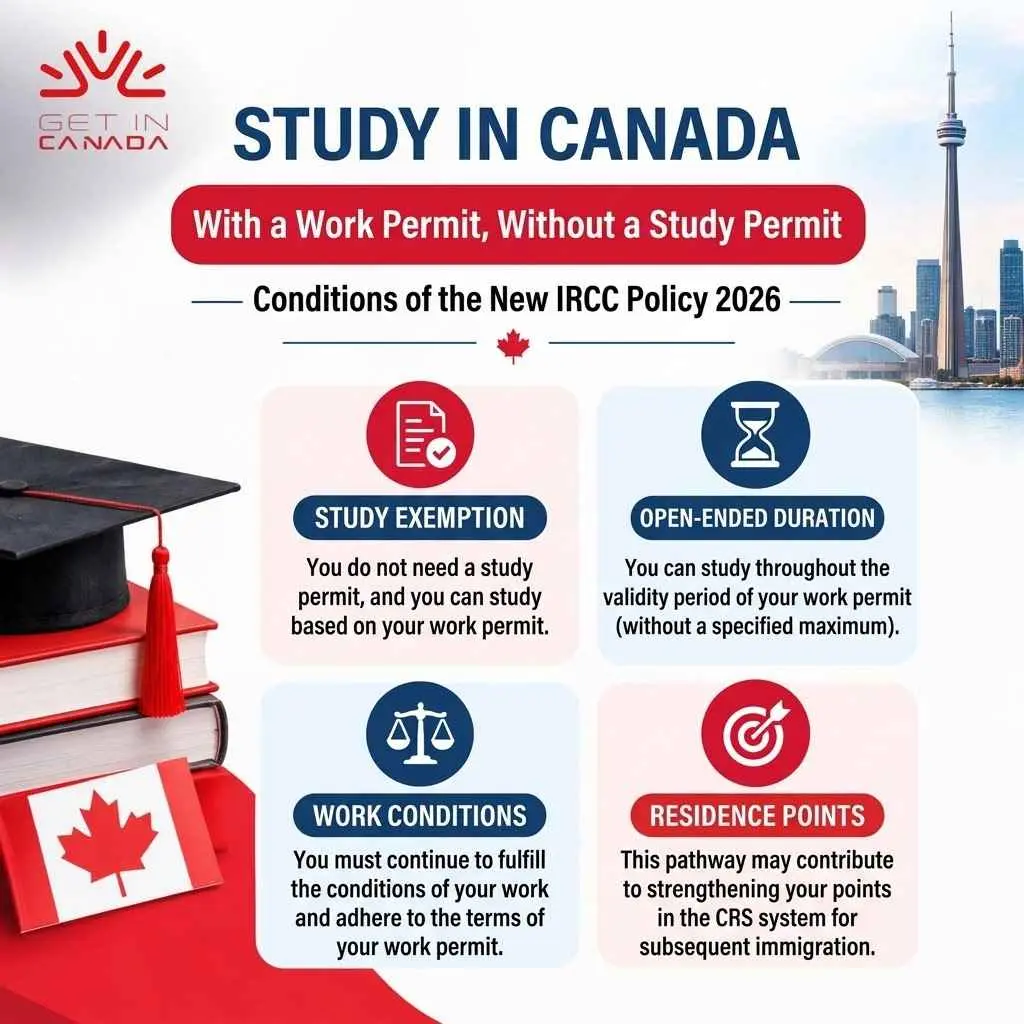
Study in Canada with a Work Permit: IRCC’s New Policy
How to Find Jobs Open to International Candidates on Job Bank?
9. Targeting the Right Job Title and Province
Employment dynamics, salary ranges, and labor shortages vary significantly across Canada’s provinces and territories. Targeting areas with acute talent shortages dramatically improves your chances of employer sponsorship.
- Metropolitan vs. Regional Markets: Major centers like Toronto and Vancouver feature intense local talent competition; Atlantic Canada and the Prairie provinces frequently seek foreign talent.
- Provincial Nominee Programs (PNP): Focus on provinces with employer-driven immigration streams, such as Alberta, Saskatchewan, or Nova Scotia.
- Wage Benchmarking: Review median regional hourly rates using Job Bank’s wage comparison tool to set realistic salary expectations.
- Geographic Flexibility: Expressing openness to settle in mid-sized or rural communities creates a strong competitive advantage with local hiring teams.
10. Building a Shortlist of High-Probability Jobs
A targeted approach focusing on five closely aligned opportunities delivers far better outcomes than mass submissions. Curating a shortlist ensures focused, high-impact applications.
- The 80% Skill Match Rule: Prioritize opportunities where your documented skills cover at least 80% of the listed requirements.
- Keyword Synchronization: Mirror technical terms, software proficiencies, and metrics from the job posting directly in your resume bullets.
- Application Tracking Sheet: Track the company name, NOC code, application link, and submission date to prepare for interviews.
- Employer Due Diligence: Verify company registration on Canadian corporate databases and read team reviews on platforms like Glassdoor.
FAQs
Book Your Consultation Session →
Your Path to a Canadian Career
Finding a Canadian job from outside the country is entirely achievable with the right strategy. Success comes from presenting your skills in the Canadian format, targeting verified overseas openings, and avoiding unaccredited recruiters asking for illegal processing fees.
If you need a formal evaluation of your professional qualifications or guidance on Canadian work permit sponsorship, consult with a Regulated Canadian Immigration Consultant (RCIC) to ensure your international move is secure and compliant.