What’s Next for Canada’s EMPP? IRCC Plans to Turn the Pilot Into a Permanent Economic Immigration Program
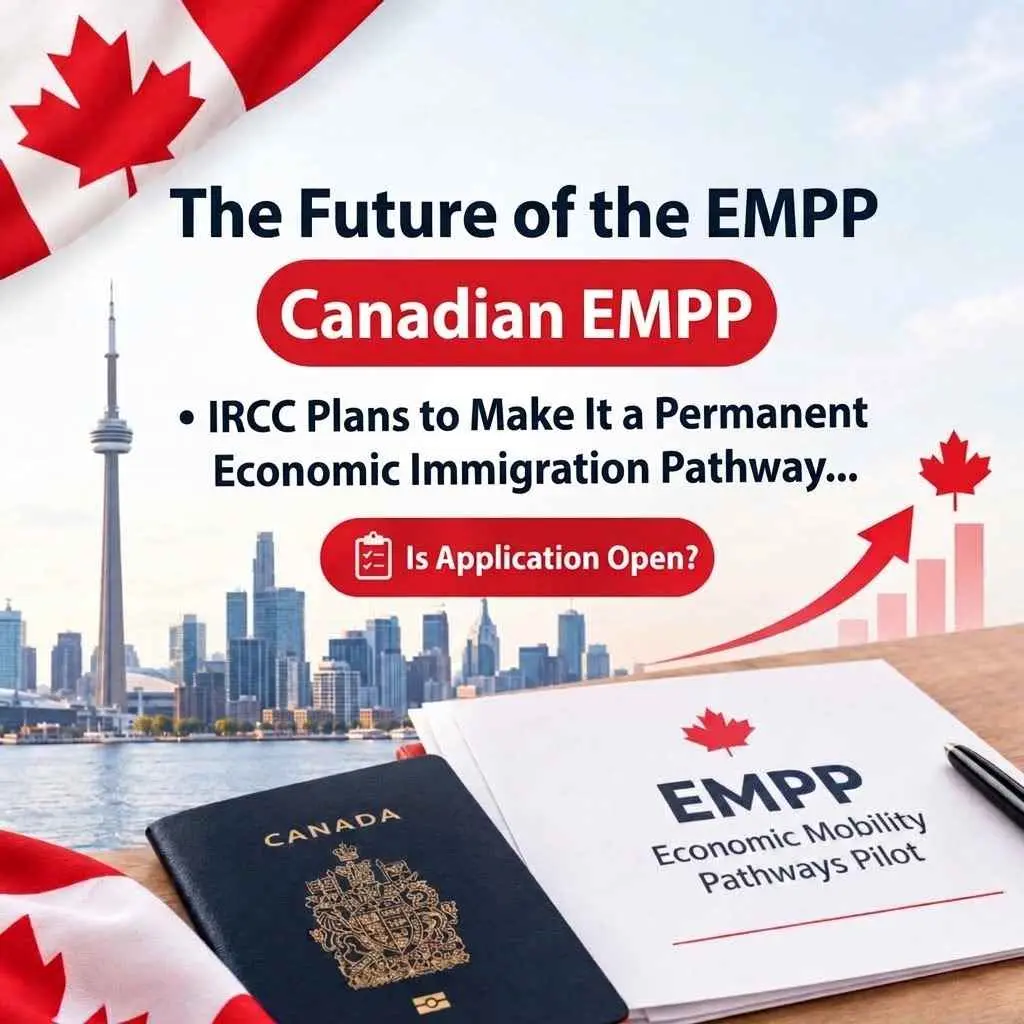
Immigration, Refugees and Citizenship Canada (IRCC) has signaled a transformative policy shift in its Forward Regulatory Plan (2026–2028) by advancing regulatory amendments to transition the Economic Mobility Pathways Pilot (EMPP) into a permanent federal economic immigration program. This regulatory initiative involves creating an autonomous new economic class under the Immigration and Refugee Protection Regulations (IRPR), governed by its own dedicated selection criteria and statutory rules.
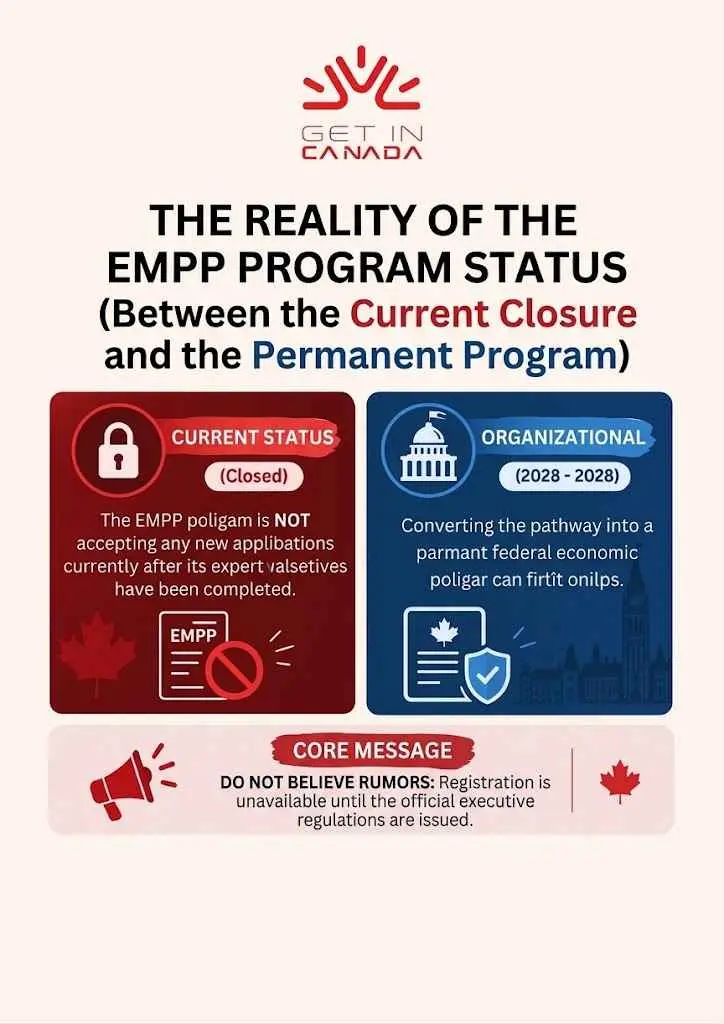
⚠️ Critical Regulatory Notice: Inclusion in IRCC’s Forward Regulatory Plan does NOT mean the EMPP is currently open for new applications. The pilot remains strictly closed to new intakes at this time. This regulatory notice reflects internal legislative drafting required to build the legal framework for a permanent program before an official public launch can take place.
Book Your Consultation Session →
1. What Was the EMPP and Why Is It Becoming Permanent?
The Economic Mobility Pathways Pilot was launched as a pioneering economic-humanitarian model connecting qualified displaced individuals with Canadian employers facing systemic labor shortages:
- Skills-Based Economic Mobility: Rather than relying exclusively on traditional humanitarian resettlement caps, the EMPP enables skilled refugees to immigrate through economic immigration pathways based on demonstrable professional experience.
- Overcoming Practical Hurdles: The pilot established targeted administrative waivers to overcome common challenges faced by displaced workers, such as expired national passports, unavailable official documentation, or complex overseas credential evaluation.
- Targeting Regional Labor Gaps: Canadian employers nationwide have leveraged this pathway to recruit qualified talent across healthcare, information technology, skilled trades, and tourism.
2. What Does IRCC’s Regulatory Blueprint for a Permanent Program Entail?
Transitioning a pilot into an institutionalized federal program requires formal amendments to Canadian immigration legislation:
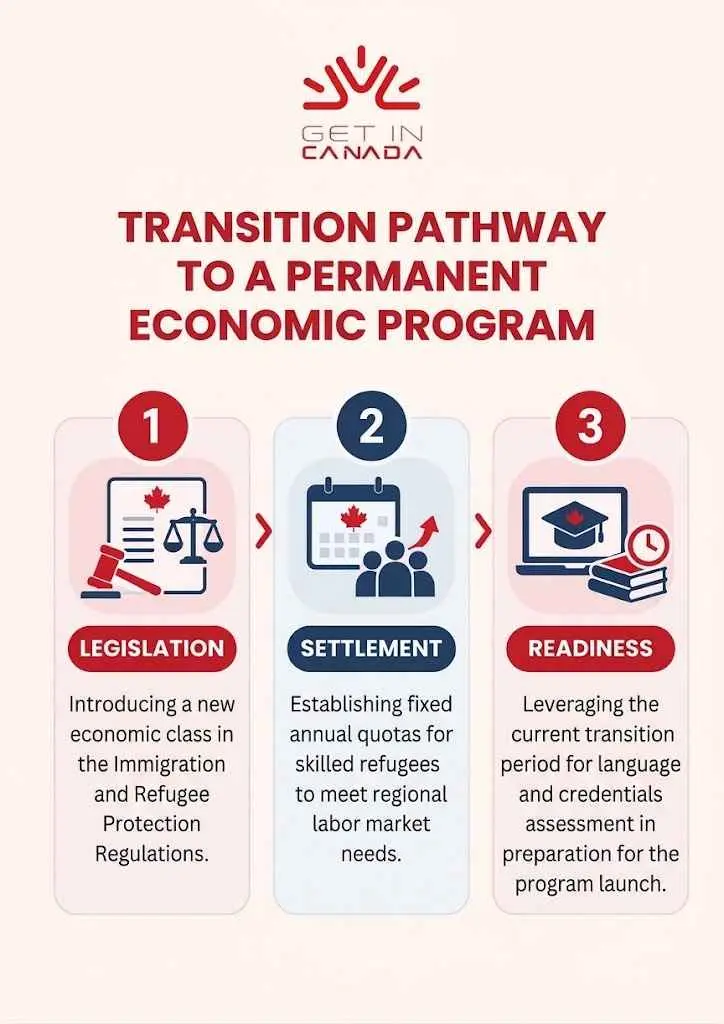
- Creation of an Autonomous Economic Class: The initiative formalizes the EMPP into an independent, statutory federal immigration class rather than a temporary administrative facilitation linked to other streams.
- Codified Statutory Selection Standards: IRCC will establish enforceable baseline regulations governing official language benchmarks (CLB), academic credential recognition, and qualifying work experience.
- Predictable Recruitment for Canadian Employers: A permanent program eliminates recurring pilot expiration dates, offering Canadian businesses and international partners (such as UNHCR) operational stability for continuous, long-term recruitment.
- Dedicated Multi-Year Immigration Targets: A permanent federal class will secure fixed, recurring allocations within Canada’s annual Immigration Levels Plans.
Book Your Consultation Session →
3. Anticipated Qualifying Framework and Core Prerequisites
While final regulatory texts will be published following official gazetting in the Canada Gazette, the permanent class is expected to maintain the foundational pillars established under the pilot:
- Verified Displacement Status: Formal documentation confirming refugee status or international protection from UNHCR or host-country government authorities.
- Verifiable Professional Background: Demonstrated employment history aligned with the National Occupational Classification (NOC / TEER) system, supported by verifiable documentation.
- Official Language Competence: Meeting prescribed score thresholds in approved English (IELTS General, CELPIP-General, PTE Core) or French (TEF Canada, TCF Canada) tests, typically starting at CLB 4 or 5 depending on the occupation.
- Statutory Admissibility Standards: Complete clearance across standard Canadian criminality, security, and medical examination protocols.
FAQs
Book Your Consultation Session →
The Strategic Shift Toward Permanent Refugee Mobility
Canada’s commitment to establishing the EMPP as a permanent economic class confirms the viability of labor mobility for displaced talent. Recognizing that the program remains closed today protects candidates from unauthorized claims, while proactive preparation in language proficiency and employment verification positions applicants to act promptly once permanent regulations come into force.