Canada Immigration Changes in June 2026: IRCC Updates, PNPs, and Work Permits
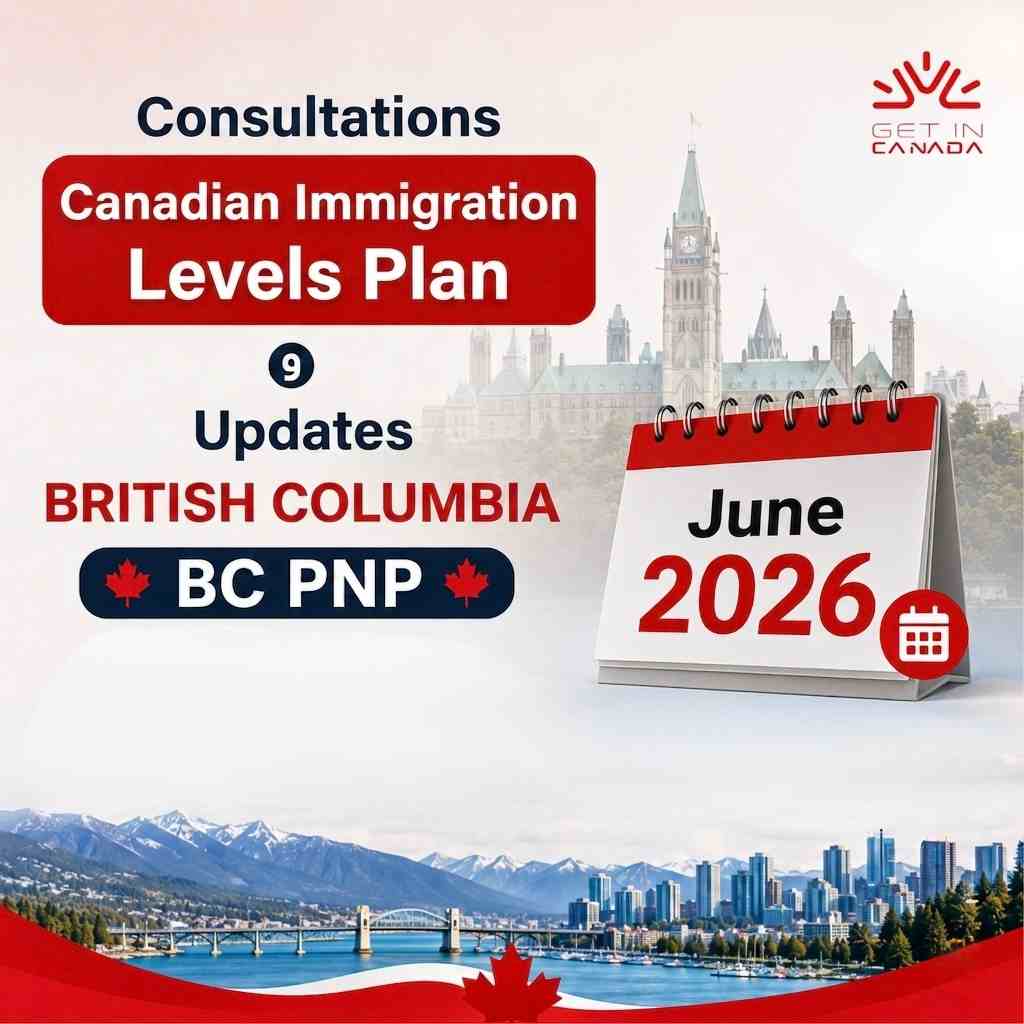
The upcoming legislative and operational reviews by Immigration, Refugees and Citizenship Canada (IRCC) mark a decisive milestone for individuals seeking to settle and work in Canada. Under the newly implemented 2026 operational framework, the Canadian government has introduced core policy adjustments impacting federal draw mechanisms, Provincial Nominee Programs, and temporary work permits. In this guide, we break down the dimensions of these updates and how to adapt your application successfully.
1. Canada Immigration Changes in June 2026
IRCC has enacted new regulatory measures designed to align incoming immigration streams directly with the evolving realities of the Canadian economy. These updates focus heavily on increasing digital processing efficiency while prioritizing high-demand skilled professions. Key elements of the new policy framework include:

- Expanded reliance on targeted category-based Express Entry draws focusing on healthcare, STEM, skilled trades, and French proficiency.
- Adjusted selection thresholds and draw volumes across general federal streams.
- Enhanced digital verification protocols for submitted personal records and credentials to combat fraud.
Book Your Consultation Session →
2. Provincial Nominee Program (PNP) Updates
Provincial Nominee Programs managed across Canadian provinces have undergone strategic realignment to link nominations directly to localized labor market shortages. This adjustment grants provinces broader autonomy to select candidates already residing in Canada or possessing critical skill sets. Core PNP updates include:
- Narrowing provincial nominations (in provinces like Ontario, Alberta, and Saskatchewan) toward healthcare, tech, and trade sectors.
- Reallocating provincial quota allocations away from low-skilled occupations toward direct graduate and skilled worker streams.
- Enforcing stricter proof-of-intent requirements to ensure nominees genuinely reside and settle within the nominating province.
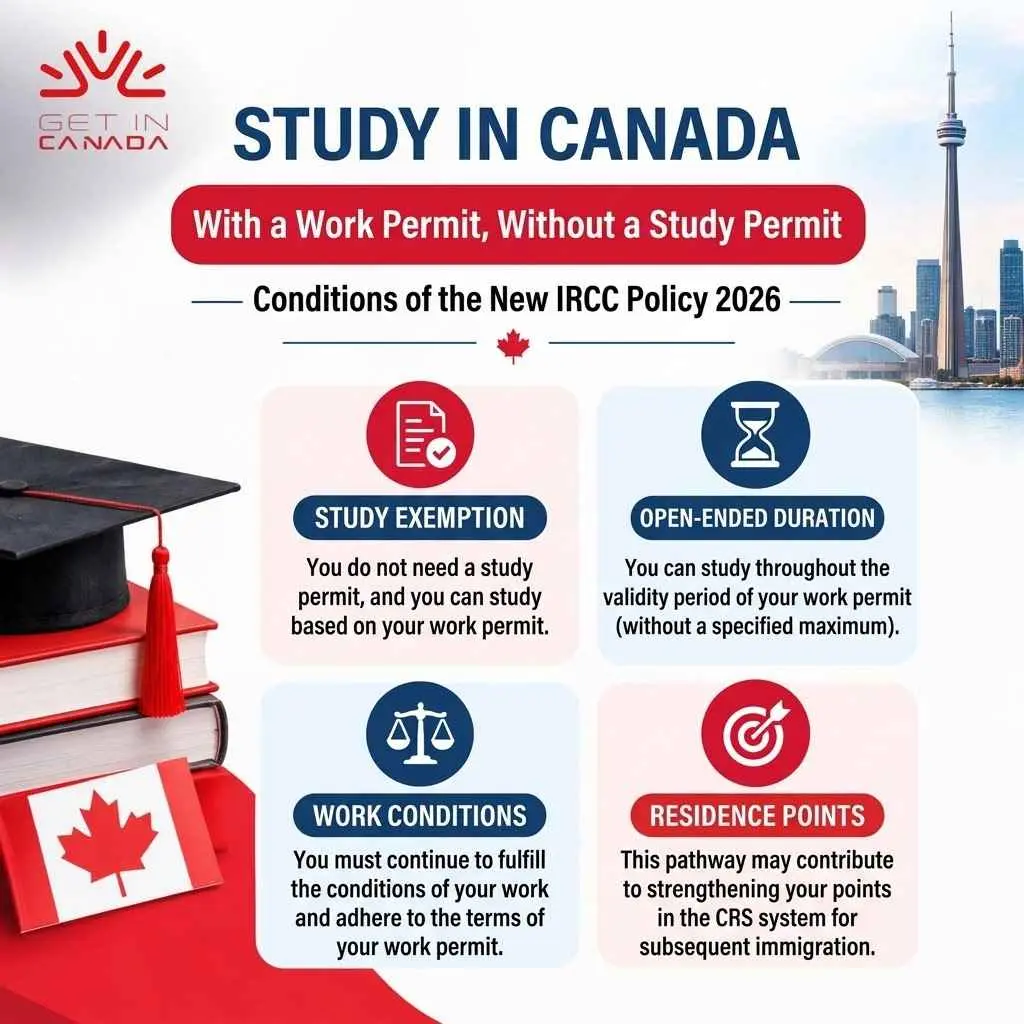
3. Work Permit and PGWP Regulatory Shifts
The 2026 directives establish refined guidelines governing the issuance and extension of temporary work permits and Post-Graduation Work Permits (PGWP). Designed to regulate local labor markets and safeguard skilled workers, the updated regulations specify the following:
- Linking open PGWP eligibility directly to academic study programs that align with national labor demands.
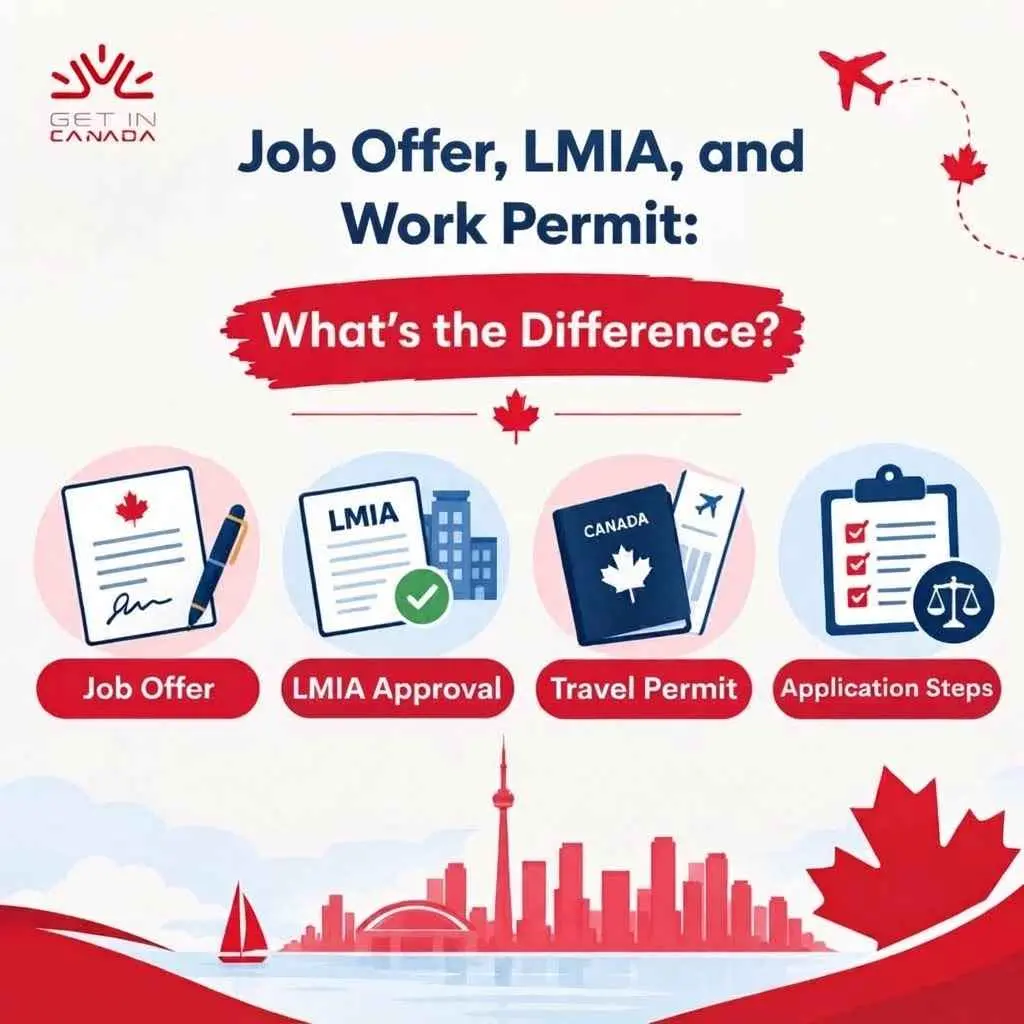
- Implementing mandatory real-time digital validation for Labor Market Impact Assessments (LMIA) to eliminate fraudulent offers.
- Streamlining transition pathways for closed work permit holders to apply for permanent residency early.
4. Settlement Funds and Mandatory Documentation for 2026
IRCC has updated the minimum mandatory Proof of Funds required for economic immigration applicants. This annual adjustment ensures that new immigrants possess sufficient financial resources to offset rising living costs during their initial settlement phase. Mandatory document requirements include:
- Official and stable bank statements meeting updated settlement fund thresholds based on family size.
- Valid Educational Credential Assessment (ECA) reports and official language test results (IELTS / TEF).
- Verified employment reference letters matching official National Occupational Classification (TEER) job descriptions.

Book Your Consultation Session →
FAQs About Canada Immigration Changes in June 2026
How Do the Experts at Get In Canada Help You?
Staying compliant with shifting Canadian immigration laws requires expert legal evaluation to prevent application refusals. At Get In Canada, we support you step-by-step, auditing your document package and adapting your profile to the 2026 IRCC regulations. Book your legal consultation with us today, and launch your journey to Canada with complete peace of mind! 🇨🇦