Can Work Permit Holders Study in Canada Without a Study Permit After June 27, 2026?
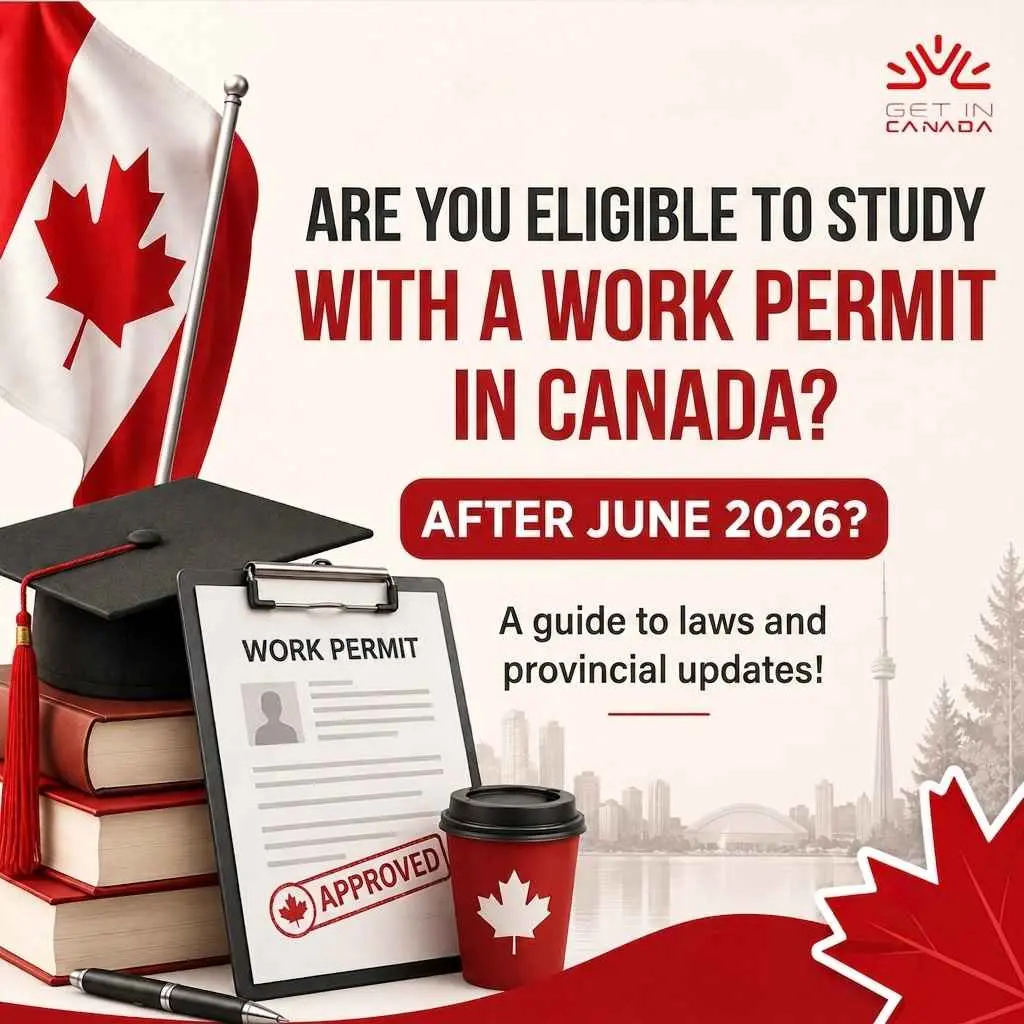
Canada is always a land of opportunity and new beginnings, but with ongoing changes in immigration and education policies, it is completely natural to feel uncertain about your next steps. The date of June 27, 2026, raises many questions among foreign workers residing in Canada: Can you upgrade your skills and study while working without applying for a new Study Permit? In this simple guide, we shed light on your legal standing in clear terms and explain how this integrates with the latest updates to Provincial Nominee Programs (PNPs).
1. Can Work Permit Holders Study in Canada Without a Study Permit After June 27, 2026?
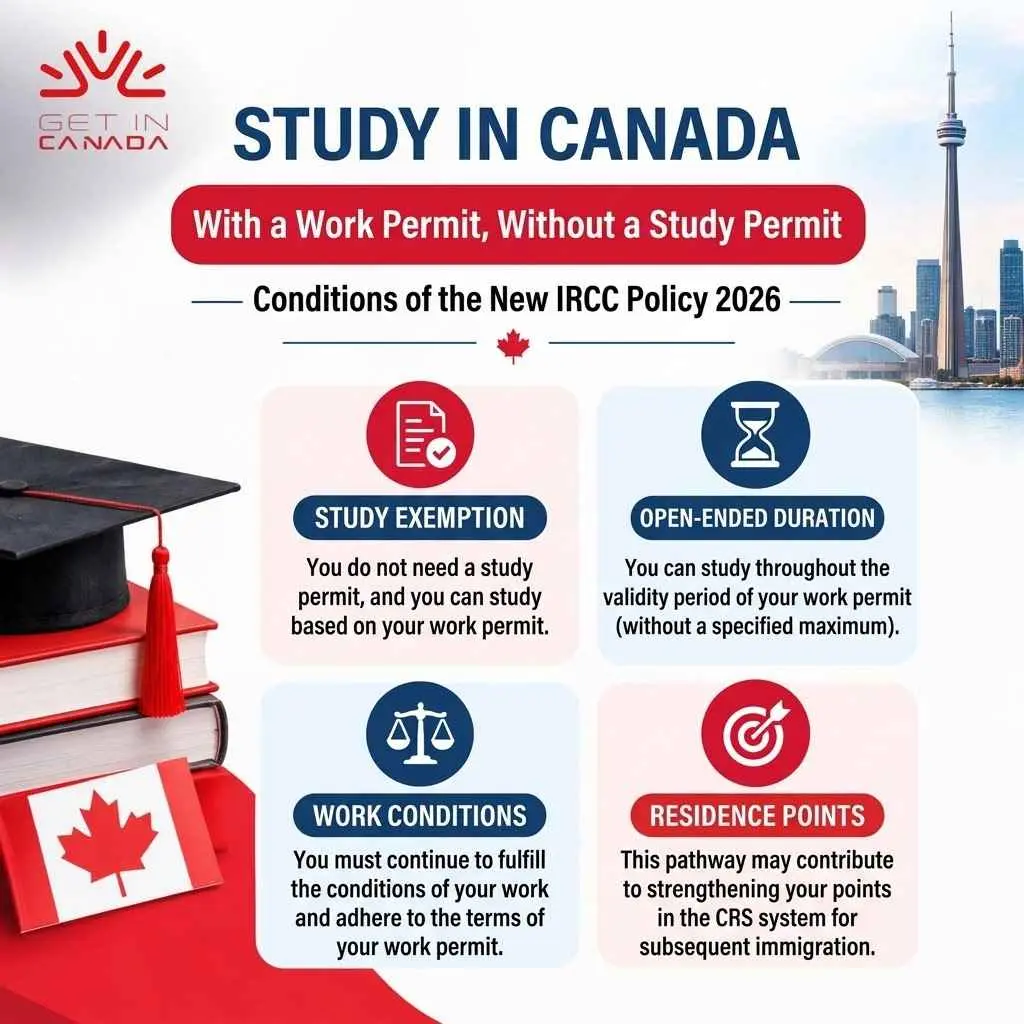
Immigration, Refugees and Citizenship Canada (IRCC) strives to offer working residents flexibility to advance their skills, but within regulatory frameworks that ensure their core employment commitment remains unaffected. Current rules summarize as follows:
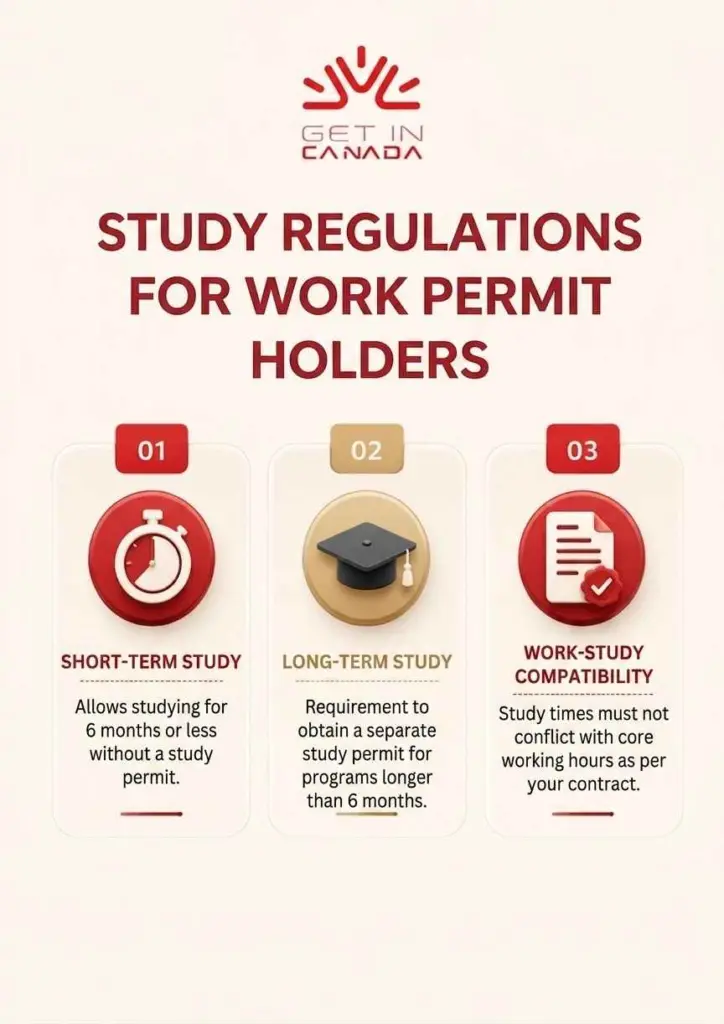
- Short-Term Programs & Courses: Canadian law allows you to study while holding a valid work permit without obtaining a study permit, provided the total duration of the program does not exceed 6 months and is completed within the validity period of your work permit.
- Long-Term Academic Programs: If you aspire to enroll in an academic program lasting longer than 6 months (such as diplomas or degree programs), regulations following June 2026 require you to officially apply for an independent Study Permit.
- Work-Life-Study Balance: Your studies must not conflict with your primary work hours, especially if you hold an employer-specific (closed) work permit, ensuring you maintain a compliant legal status in Canada.
Book Your Consultation Session →
2. Updates to Canadian Provincial Nominee Programs (PNP) 2026
Canadian provinces continually adapt their immigration pathways (PNP) to align with local labor market needs, while creating accessible avenues for temporary residents to transition into permanent residency. New updates focus on supporting applicants through the following:
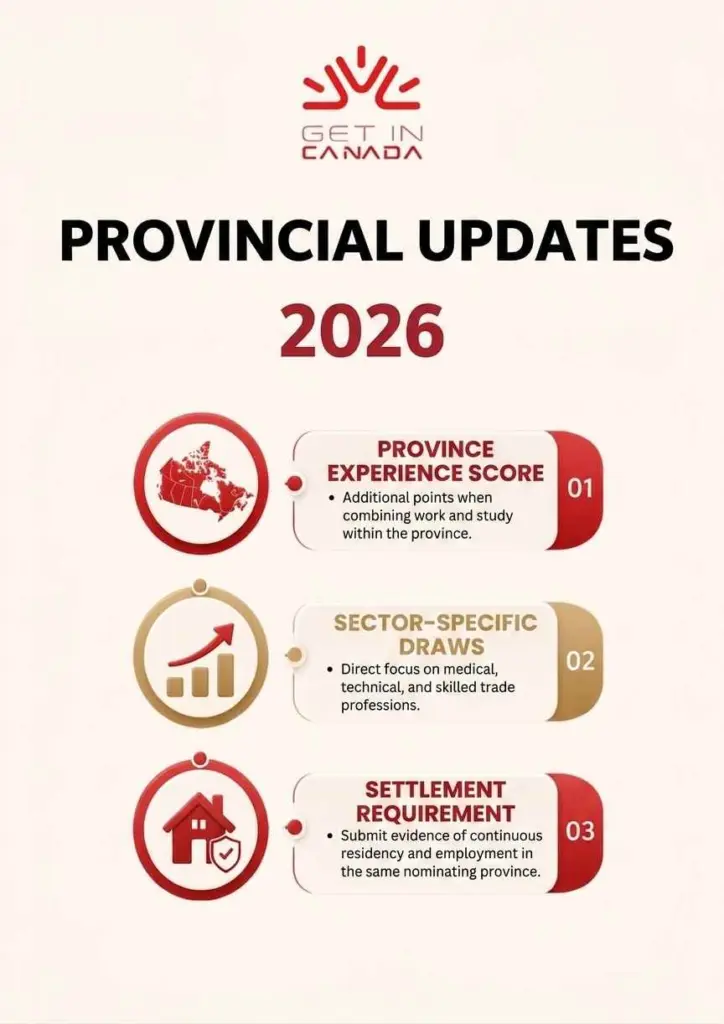
- Valuing In-Province Experience and Education: Most provinces prioritize and award higher points to individuals who combine work experience and training within the nominating province.
- Targeted Category Draws: Provinces focus on category-specific draws aimed at candidates currently working in critical sectors such as healthcare, technology, engineering, and skilled trades.
- Demonstrating Ties to the Province: Updated guidelines require clear proof of actual residence and a genuine intent to live and work long-term in the province issuing the nomination.
Read more about:
Key Updates for Immigration Applicants, Work Permit Holders
Canada’s Asylum Laws Changed in 2026
3. Proactive Steps to Maximize Your Work and Study Period in Canada
To stay on the right track and make the most of every opportunity to turn your temporary stay into permanent residency, we recommend these proactive steps:
- Ensure you choose accredited programs (DLIs) that meet the 6-month rule if you do not hold a study permit, avoiding any status violations.
- Begin preparing your documents early to apply for an independent study permit if you wish to pursue longer academic programs.
- Keep detailed records of all your training courses and work hours to add them to your profile in Provincial Nominee Programs and Express Entry.
FAQs
Book Your Consultation Session →
How We Map Your Path to Permanent Residency at Get In Canada
Balancing work commitments with educational goals while navigating provincial updates can seem complex, but it becomes seamless with the right guidance. At Get In Canada, we are delighted to be your trusted compass, working closely with you to evaluate your profile and align your study and career choices toward the fastest, safest pathways to permanent residency in 2026. Book your personal consultation session with us today, and let’s map out your future with complete peace of mind! 🇨🇦