What Are the Latest Updates to the British Columbia Provincial Nominee Program (BC PNP) in June 2026?
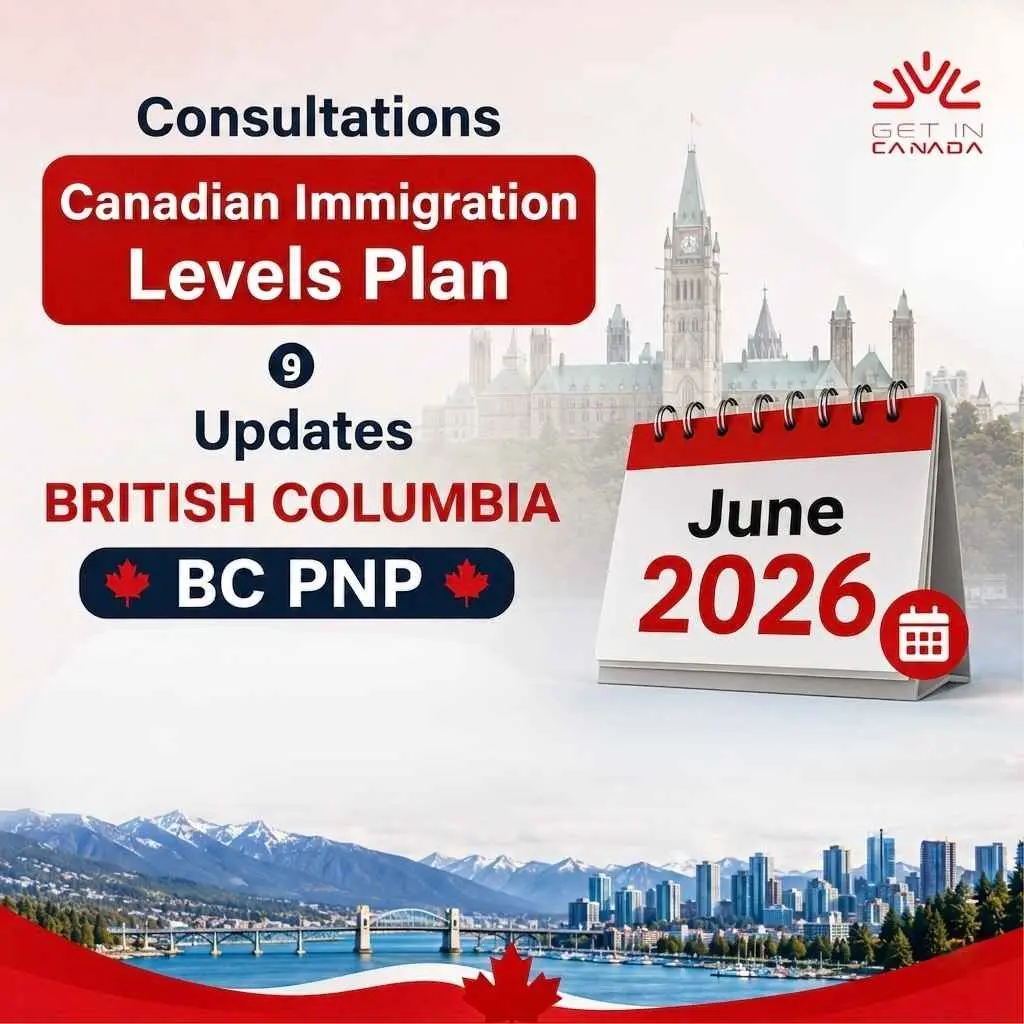
Dominating Canada immigration news 2026, the province of British Columbia has introduced comprehensive policy revisions to the British Columbia Provincial Nominee Program (BC PNP) in June 2026. These structural adjustments focus on overhauling international graduate streams, introducing stricter Canadian Language Benchmark (CLB) thresholds, and maintaining targeted category-based draws for high-demand sectors. In this guide, we break down these updates and their direct impact on candidate eligibility.
1. Structural Policy Updates for the BC PNP in June 2026
British Columbia has restructured its streams to prioritize candidates with advanced academic credentials, strong language abilities, and established ties to the local labor market.
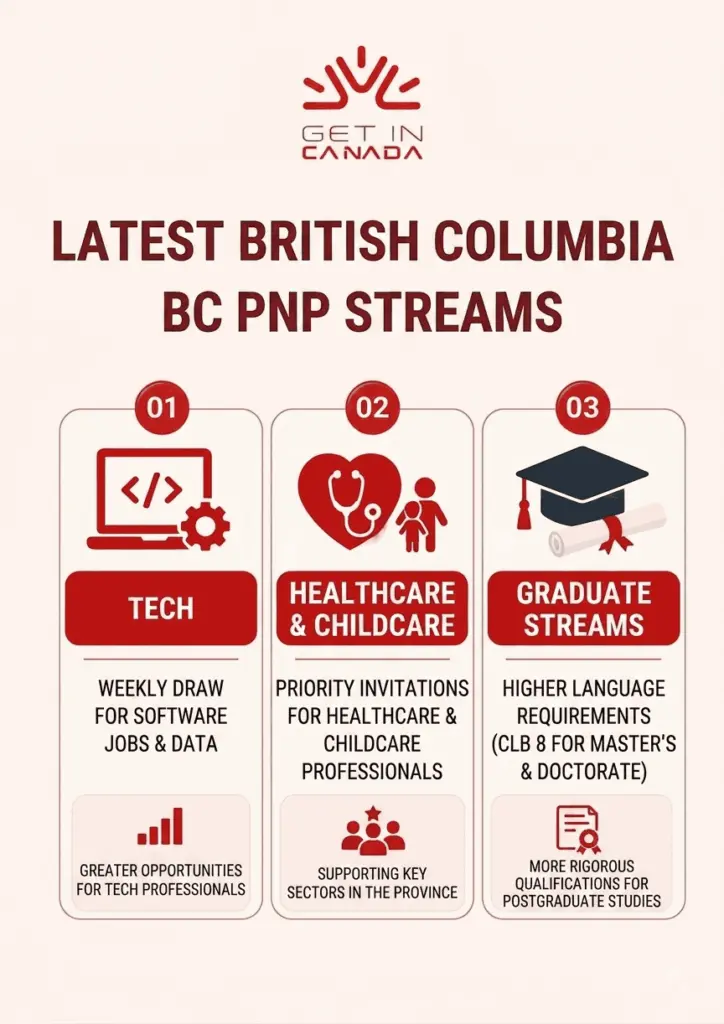
- Overhaul of International Graduate Streams: The previous international graduate pathways have been replaced with three distinct, specialized streams targeting Bachelor’s/Diploma graduates, Master’s graduates, and Doctorate candidates.
- Higher Language Proficiency Requirements: An elevated language threshold of at least CLB 8 is mandatory for Master’s stream applicants, while Bachelor’s and Diploma streams require CLB 6 or CLB 7 depending on the occupational classification.
- Indeterminate Job Offer Requirement: Bachelor’s and Diploma graduates must secure an indeterminate, full-time job offer meeting prevailing regional wage rates within the province.
| BC PNP Stream | Academic Qualification Requirement | Minimum Language Requirement (CLB) | Job Offer Requirement |
| Bachelor’s & Diploma Stream | Graduated from an eligible post-secondary institution in BC | CLB 6 – CLB 7 | Mandatory (Indeterminate, full-time) |
| Master’s Graduate Stream | Master’s degree in any field from an eligible BC institution | CLB 8 | Mandatory (Minimum 1-year qualifying job offer) |
| Doctorate Stream | Ph.D. degree or doctoral candidacy at an eligible BC institution | No specific baseline threshold | Not mandatory |
Targeted Category-Based Draws
The province continues executing weekly draws dedicated to critical shortage sectors, including technology (BC PNP Tech), healthcare, early childhood education (Childcare), and construction trades. Candidates in these target categories benefit from lower invitation cut-off scores in the Skills Immigration Registration System (SIRS).
Book Your Consultation Session →
2. Canada Immigration News 2026: Provincial Alignment with Federal Targets
British Columbia’s latest reforms reflect a broader federal push to regulate temporary resident volumes and channel nominations toward long-term regional retention.
- Provincial-Federal Policy Alignment: Aligning provincial nominations with Immigration, Refugees and Citizenship Canada (IRCC) priorities, rewarding applicants with domestic Canadian experience and advanced linguistic proficiency.
- Shift Away from General Draws: Reducing reliance on general invitation rounds in favor of candidates holding confirmed job offers located outside Metro Vancouver.
- Stricter Educational Institution Criteria: Limiting eligibility strictly to recognized public post-secondary institutions and accredited academic programs.
3. Practical Steps to Maximize Your SIRS Score
To remain competitive in upcoming British Columbia candidate draws, consider implementing the following actions:
- Retake Language Assessments: Aiming for CLB 8 or higher unlocks vital language points that serve as critical tie-breakers in the SIRS pool.
- Explore Regional Employment: Securing qualifying job offers outside the Metro Vancouver regional district awards up to 10 additional points for regional location.
- Verify Accurate NOC Mapping: Ensure that your primary employment duties precisely align with the correct Training, Education, Experience and Responsibilities (TEER) classification.
FAQs
Book Your Consultation Session →
Navigating to Canada: Leveraging Policy Shifts to Your Advantage
British Columbia’s updated regulations make it clear that verified language proficiency and genuine economic integration are decisive factors for provincial selection. Focusing on achieving higher language benchmark scores and securing skilled employment in priority sectors outside major urban cores provide the most reliable path toward securing a provincial nomination and achieving Canadian permanent residency.